The world of modern healthcare is currently witnessing a massive transformation as personalized DNA medicine moves from experimental labs into frontline clinical practice. For many decades, patients with rare diseases suffered through a “diagnostic odyssey” where they visited dozens of doctors without ever finding a clear answer.
Traditional medicine often relies on a one-size-fits-all approach that works for the average person but fails those with unique genetic blueprints. However, the emergence of high-speed genomic sequencing now allows scientists to read every single letter of a patient’s DNA to find the exact cause of their illness.
This transition is not just a technological feat; it represents a fundamental shift in how we define and treat human sickness at its core. We are entering an era where your specific genetic code dictates your treatment plan, ensuring that every drug and therapy works perfectly for your body.
This innovation addresses the critical challenge of treating the thousands of rare diseases that once lacked any known cure or effective management strategy.
By integrating genetic data into daily healthcare, we are finally giving hope to millions of families who previously felt invisible to the medical establishment. This article explores the mechanics of genomic medicine and how it is solving the most complex puzzles in human biology.
The Power of Whole Genome Sequencing Technology
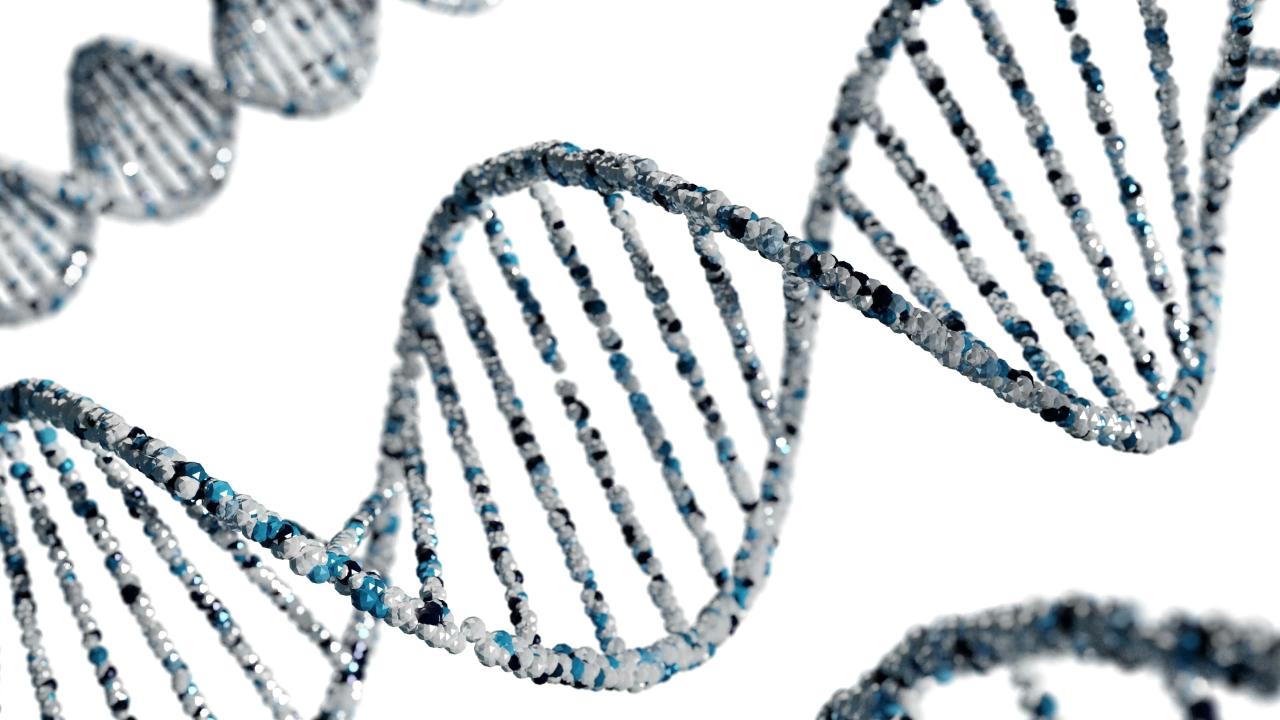
Whole Genome Sequencing (WGS) serves as the primary engine for modern personalized medicine by mapping out all three billion base pairs of a person’s DNA. This process identifies the specific mutations or “typos” in the genetic code that lead to rare and complex conditions.
I believe that “early genetic literacy” is the most powerful tool a parent can have to protect their child’s long-term health and development. You solve the problem of medical uncertainty by getting a definitive answer through a single blood test rather than years of painful and inconclusive trials.
This perspective shifts the focus from managing vague symptoms to targeting the actual biological root of the disease itself.
A. High-Throughput Sequencing and Data Processing
Modern machines can now sequence a human genome in less than twenty-four hours at a fraction of the original cost. This speed allows doctors to make life-saving decisions for infants in neonatal intensive care units who are failing to thrive.
It turns massive amounts of biological data into actionable medical insights that can change a patient’s life in just a few days.
B. Identifying Rare Pathogenic Variants
Software algorithms compare a patient’s DNA against a massive global database of healthy and diseased genetic samples to find anomalies.
This pinpoint accuracy allows scientists to discover brand-new diseases that have never been documented in medical history before. It provides a “molecular diagnosis” that is far more reliable than old-fashioned physical exams or standard lab work.
C. Pharmacogenomics for Personalized Drug Safety
DNA medicine also tells doctors how your body will react to specific medications before you ever take the first dose. Some people possess genes that make certain drugs toxic, while others have genes that make the same drugs completely ineffective.
This level of foresight prevents dangerous adverse drug reactions and ensures that the first treatment you try is the one that actually works.
CRISPR and the Era of Gene Editing
Gene editing technology like CRISPR-Cas9 allows scientists to physically “cut and paste” sections of DNA to repair broken genes. This is not just about treating symptoms; it is about permanently fixing the genetic error that causes a disease in the first place.
My new perspective is that “genetic surgery” will eventually replace many long-term pharmaceutical treatments for hereditary conditions.
You solve the reader’s problem of lifelong medication dependency by opting for a one-time procedure that corrects the biological source of the issue. This perspective offers a path to a true cure rather than just a lifetime of expensive and exhausting symptom management.
A. Molecular Scissors and Targeting Mechanisms
The CRISPR system uses a guide RNA to find the exact location of a mutation within the vast landscape of the genome. Once it finds the target, the Cas9 enzyme acts as a pair of molecular scissors to remove the faulty sequence.
The cell’s own repair machinery then kicks in to sew the DNA back together correctly, often using a healthy template provided by the doctors.
B. In Vivo vs Ex Vivo Gene Therapy
Doctors can edit genes directly inside the patient’s body (In Vivo) or remove cells, edit them in a lab, and then return them (Ex Vivo).
This flexibility allows for the treatment of diverse conditions ranging from blood disorders like sickle cell anemia to rare forms of inherited blindness. It represents a level of surgical precision that happens at a scale invisible to the naked eye but massive in its impact.
C. Safety Protocols and Off-Target Monitoring
Advanced AI tools now predict and prevent “off-target” effects where the gene editor might accidentally cut the wrong part of the DNA.
This ensures that the therapy remains safe and does not cause unintended changes to other parts of the patient’s genetic blueprint. Rigorous testing and monitoring are built into every step of the gene-editing process to protect the long-term safety of the patient.
Synthetic Antisense Oligonucleotides (ASOs)
ASOs are short strings of synthetic DNA or RNA that can “turn off” or “fix” a faulty gene without permanently changing the genome. They act like a digital patch for a software bug, allowing the body to produce the correct proteins needed for healthy function.
I suggest that “programmable medicine” through ASOs is the fastest way to develop custom treatments for “N-of-1” patients who have a mutation unique to them. You solve the problem of being “too rare to treat” by using a technology that can be designed and manufactured for a single individual in a matter of months.
This perspective gives every person on earth a chance at a cure, regardless of how unique their genetic situation might be.
A. Splicing Modulation for Protein Production
Some genetic diseases are caused by the body “skipping” an important part of a gene during the protein-making process.
ASOs can act as a bridge, telling the cell to include the missing part and produce a functional protein again. This has already proven successful in treating conditions like Spinal Muscular Atrophy, which was once a fatal diagnosis for children.
B. Gene Silencing for Toxic Protein Accumulation
In some rare diseases, a mutated gene produces a “toxic” protein that builds up and damages the brain or other vital organs. ASOs can bind to the mRNA of that faulty gene and trigger its destruction before the toxic protein can even be created.
This “silencing” technique stops the progression of the disease and allows the body to begin its natural healing and recovery process.
C. Rapid Custom Design and Manufacturing
Because ASOs are essentially digital sequences, scientists can design a new drug on a computer and print it in a lab very quickly.
This makes them the ideal tool for “personalized orphan drugs” designed for ultra-rare conditions that large pharmaceutical companies often ignore. It brings the power of high-tech medicine to the smallest and most neglected patient populations in the world.
The Role of Artificial Intelligence in Genetic Discovery
The sheer volume of data in a single human genome is so vast that no human doctor could ever analyze it all by themselves. Artificial intelligence and machine learning are now used to sift through billions of genetic data points to find the hidden patterns that cause disease.
My perspective is that “augmented diagnosis” is the only way to scale personalized medicine to every hospital and clinic across the globe. You solve the problem of the doctor shortage by using AI to act as a brilliant assistant that identifies rare diseases in seconds.
This perspective ensures that no matter where you live, you can access the world’s most advanced diagnostic intelligence through a simple digital connection.
A. Neural Networks for Variant Interpretation
AI models are trained on millions of genetic cases to learn which mutations are harmless and which ones are likely to cause a specific disease.
This reduces the “false positive” rate and ensures that patients only receive treatments that are truly necessary and beneficial for them. It allows for a level of diagnostic confidence that was previously impossible for even the most experienced geneticists.
B. Predictive Modeling for Disease Progression
AI can look at your DNA and predict how a disease might change or worsen over the next ten or twenty years. This foresight allows doctors to start treatments early, long before the most serious symptoms ever have a chance to appear.
It transforms healthcare from a reactive system that fixes problems to a proactive system that prevents them from ever happening.
C. Drug Discovery and Virtual Simulations
Scientists use AI to simulate how a new genetic drug will interact with a patient’s unique cellular structure before they ever start a clinical trial.
This “virtual testing” saves years of time and billions of dollars in research costs, bringing new cures to the market much faster than traditional methods. It creates a more efficient and much more human-centric model for medical innovation and drug development.
Solving the Ethical and Accessibility Challenges
As DNA medicine becomes more powerful, we must address the difficult questions of who gets access to these cures and how we protect genetic privacy. These treatments can be incredibly expensive, and we need new financial models to ensure that they are available to everyone, not just the wealthy.
I believe that “genetic equity” must be a global priority if we want to truly conquer rare diseases in our lifetime. You solve the problem of high costs by supporting public-private partnerships that share the burden of research and manufacturing for the common good.
This perspective ensures that the miracle of DNA medicine is a gift for all of humanity, regardless of their economic or social status.
A. Blockchain for Secure Genetic Data Sharing
Blockchain technology allows patients to own and control their own genomic data while still allowing researchers to use it for new discoveries. You can grant permission for your data to be used in a specific study and then revoke that access whenever you choose to do so.
This protects you from genetic discrimination by insurance companies or employers while still moving science forward.
B. Value-Based Pricing for One-Time Cures
Since many genetic therapies are one-time cures, we need a way to pay for them over several years based on how well the patient recovers.
This “subscription model” for cures makes it easier for insurance companies and governments to afford the high upfront costs of these revolutionary treatments. It aligns the interests of the pharmaceutical companies with the long-term health and success of the patient.
C. Global Collaborative Research Networks
Rare diseases are, by definition, rare, so no single country has enough patients to study them effectively on their own.
Global networks allow doctors from different continents to share data and findings instantly to find a cure for a shared condition. This “borderless medicine” is essential for solving the thousands of genetic puzzles that still exist in the world today.
The Future of Preventive Genomic Healthcare
The ultimate goal of personalized DNA medicine is to move beyond treating rare diseases and start using genetics to keep everyone healthy. In the future, every baby might have their genome sequenced at birth to create a personalized “owner’s manual” for their entire life.
My new perspective is that “proactive genomics” will eventually become as common as getting a basic blood pressure check at your annual physical. You solve the problem of lifestyle-related illnesses by knowing exactly which diet and exercise plan works best for your specific genetic makeup.
This perspective allows every individual to reach their full biological potential and live a longer, more vibrant, and much healthier life.
A. Polygenic Risk Scores for Common Conditions
By looking at thousands of tiny genetic variations, doctors can calculate your risk for common issues like heart disease or type-2 diabetes.
This allows you to make specific lifestyle changes in your twenties that will protect you from getting sick in your sixties or seventies. It turns your DNA into a roadmap for a long life rather than a mystery that you fear.
B. Personalized Nutrition and Fitness Plans
Your genes dictate how you process fats, sugars, and vitamins, as well as how your muscles respond to different types of physical exercise.
DNA-based wellness plans remove the guesswork from staying fit, ensuring that every minute you spend in the gym and every meal you eat is optimized for your body. It is the ultimate form of self-care based on the cold, hard facts of your own unique biology.
C. Early Detection of Hereditary Cancers
Genetic testing can find “carrier” status for mutations like BRCA, allowing for increased screening and early intervention that saves countless lives every year.
Being proactive about these risks gives you the power to make choices that can literally prevent cancer from ever developing in your body. It is the most powerful form of early warning system that modern technology can provide to the human race.
Conclusion
Personalized DNA medicine is the most important leap in the history of human healing. You must realize that your genetic code is the key to your future health. Rare diseases are finally being understood and cured through the power of genomic science.
One-size-fits-all medicine is a thing of the past for modern and smart patients. You solve the mystery of your health by reading the book written in your cells. Gene editing offers a permanent fix for errors that once caused a lifetime of pain.
Technology allows us to create custom drugs for just one person in the world. Privacy and ethics are the foundation of this new and digital medical era. AI makes it possible to find the cause of a disease in a few seconds.
The cost of these miracles is falling as more people use and support them. We are moving toward a world where every child is born with a health map. Genomics allows you to be the boss of your own physical and mental destiny.
Support for genetic research is a vote for a world without rare diseases. Stay informed about these trends to ensure your family gets the best care possible. The journey to a longer and healthier life starts with your own unique DNA. Take the first step by asking your doctor about the benefits of genetic screening.