The world of modern medicine is undergoing a massive transformation that shifts our focus from general treatments to hyper-personalized health strategies. We are currently moving away from the “one-size-fits-all” approach that dominated the healthcare industry for the last century.
Innovative biotechnology now allows scientists to look deep into your genetic code to identify specific risks before they become life-threatening problems. This digital and biological integration creates a roadmap for a future where chronic diseases might become entirely preventable through early technical intervention.
Most patients struggle with traditional healthcare because it reacts to symptoms rather than optimizing the underlying biological systems. By embracing personalized bio-tech solutions, you can reclaim your physical sovereignty and build a high-performance body that thrives in a demanding environment.
This guide explores the most significant breakthroughs in medical technology and provides a clear framework for navigating the complexities of the new biological era. Let us dive into the pillars of modern health innovation and discover how to transform these technical shifts into your own engine for long-term vitality.
The Power of Genomic Mapping and DNA Analysis
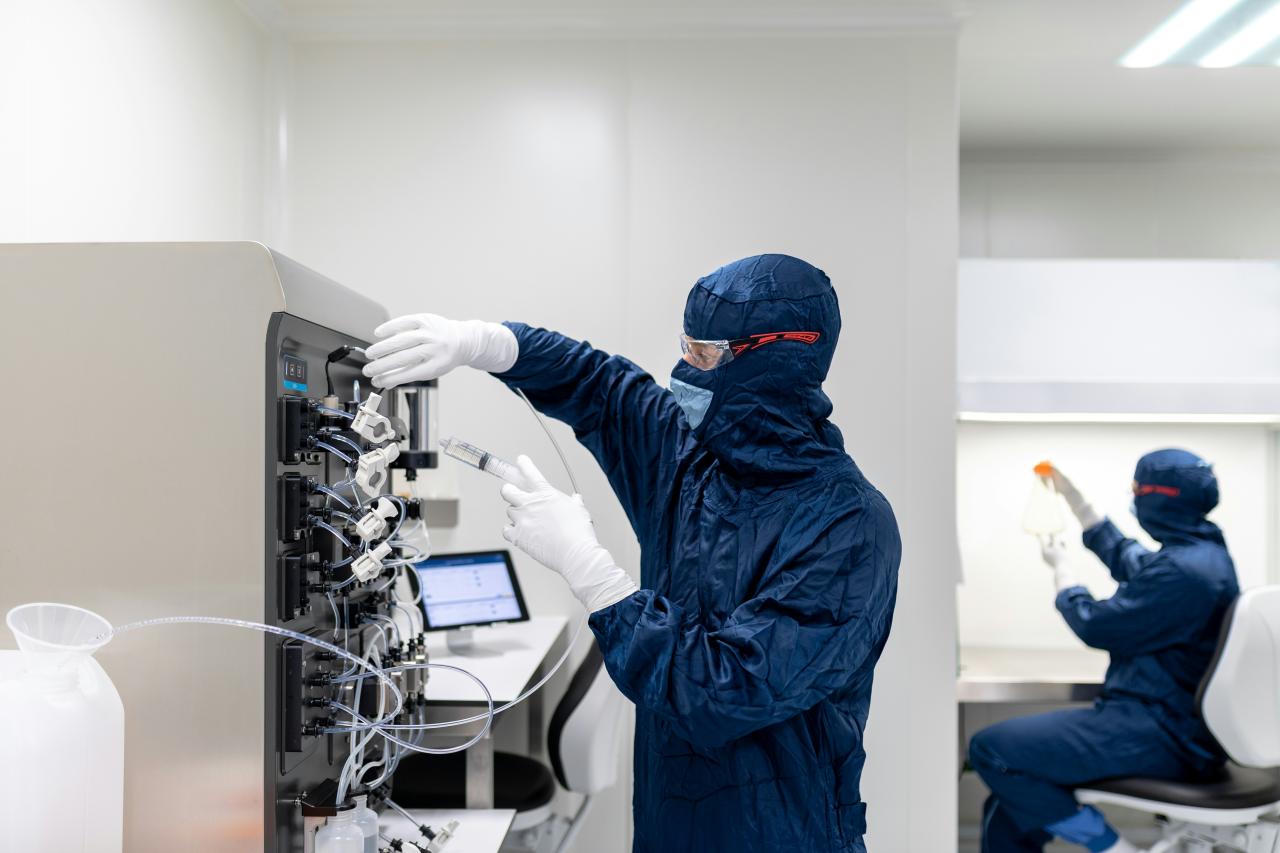
Genomic sequencing is the primary technical foundation for the future of personalized medicine and proactive health management.
Scientists can now map your entire genetic blueprint in a matter of days, providing a high-resolution view of your unique biological vulnerabilities. This data allows your medical team to predict how you will react to specific medications or lifestyle changes with incredible precision and accuracy.
A. Identifying Hereditary Risk Factors
Advanced DNA tests can pinpoint specific mutations that increase your likelihood of developing conditions like heart disease or certain types of cancer.
Knowing these risks early allows you to implement a defensive perimeter of lifestyle adjustments and regular monitoring. This technical foresight is a fundamental requirement for staying ahead of potential health crises in a volatile biological landscape.
B. Pharmacogenomics and Drug Compatibility
Pharmacogenomics studies how your genes affect your body’s response to drugs, ensuring that you receive the most effective dosage with the fewest side effects.
This eliminates the “trial and error” phase of traditional prescribing, saving you time and protecting your internal organs from unnecessary chemical stress. It is a technical masterpiece of efficiency that optimizes your recovery process and your overall medical experience.
C. Gene Expression and Epigenetic Monitoring
Epigenetics looks at how your environment and choices turn certain genes on or off without changing the underlying DNA sequence.
Tracking these changes provides a “live” dashboard of your health, showing you exactly how your diet and sleep patterns affect your cellular aging. This high-resolution data is the catalyst for your long-term operational independence and systemic biological health.
I see many people avoid genetic testing because they fear receiving bad news about their future health. You should realize that having the data is always better than flying blind through your own biology.
My perspective is that DNA results are not a “destiny” but a set of instructions that you can influence through smart technical choices. Treat your genetic report as a strategic manual that allows you to hack your own lifestyle for maximum performance and longevity.
CRISPR and the Era of Precision Gene Editing
The development of CRISPR technology has provided humanity with a pair of “molecular scissors” that can edit the code of life itself. This breakthrough allows researchers to remove or replace faulty genes that cause devastating inherited disorders with surgical precision.
We are moving toward a world where the most complex biological errors can be corrected at the source, providing a roadmap for total health restoration.
A. Correcting Single-Gene Disorders
CRISPR shows immense promise in treating diseases like sickle cell anemia and cystic fibrosis by fixing the specific mutation in the patient’s cells.
This technical intervention offers a permanent solution rather than a lifetime of managing symptoms with expensive and invasive treatments. It represents the ultimate form of biological sovereignty, where your code no longer dictates your limitations.
B. Engineering Enhanced Immune Responses
Scientists are using gene editing to “program” immune cells to recognize and destroy cancer cells more effectively than ever before.
This technical synergy between bio-innovation and your body’s natural defenses creates a high-performance shield against the most aggressive diseases. It is a fundamental shift from using external chemicals to using your own internal machinery to fight for your survival.
C. Agricultural Bio-Tech and Nutritional Density
Gene editing is also transforming the food we eat by creating crops that are more nutrient-dense and resistant to environmental stressors.
By optimizing the biological profile of our food supply, we can improve the baseline health of entire populations through better nutrition. This technical scale is the primary engine that will drive the next phase of global health and food security.
Don’t let the science-fiction nature of gene editing distract you from the practical reality that these treatments are already entering clinical trials. I suggest you stay informed about the specific “delivery mechanisms” being used to get these edits into the human body safely.
My perspective is that we are the first generation of humans who can actively participate in our own evolutionary upgrades. Use this knowledge to advocate for yourself and seek out the most advanced technical options available in the global medical market.
Digital Twins and Predictive Health Simulation
A digital twin is a virtual model of your physical body that uses real-time data to simulate how you will respond to different health scenarios.
By feeding information from wearables and medical scans into a sophisticated AI, doctors can test treatments on your “digital self” before trying them on you. This technical innovation reduces the risk of medical errors and provides a highly personalized roadmap for your future wellness.
A. Real-Time Biofeedback Integration
Your digital twin stays updated with data from your smartwatch, tracking your heart rate, sleep quality, and daily movement patterns.
This constant stream of information allows the system to identify subtle trends that might indicate an oncoming illness or a drop in performance. It provides a defensive perimeter around your health, allowing you to react to data rather than waiting for pain.
B. Simulating Surgical Procedures
Surgeons can use your digital twin to practice complex operations on a virtual version of your specific anatomy before entering the operating room.
This technical preparation increases the success rate of difficult surgeries and reduces the time you spend under anesthesia. It is a masterpiece of modern engineering that brings the precision of the aerospace industry into the world of human medicine.
C. Long-Term Aging and Longevity Forecasting
AI models can project how your current habits will affect your biological age and mobility over the next several decades.
Seeing a visual representation of your future health can be a powerful motivator to make better technical choices in the present. This forecasting tool is the primary engine for creating a lifestyle that remains agile and high-performing for the centuries.
I notice that many users find the idea of a “virtual self” a bit intrusive or overwhelming to manage. You should stop seeing this data as a burden and start seeing it as the ultimate “cheat code” for a longer, healthier life.
My advice is to pick two or three key metrics, like resting heart rate or blood glucose, and focus on optimizing those first within your digital model. Small technical adjustments to your virtual twin can lead to massive physical improvements in your actual body over time.
The Revolution of Lab-Grown Organs and Tissues
The shortage of organ donors is a global crisis that costs thousands of lives every year, but bio-innovation is providing a technical solution.
Scientists are now using 3D bio-printing and stem cell technology to “grow” human tissues and organs in controlled laboratory environments. This breakthrough ensures that every patient can receive a perfectly matched replacement part without the risk of immune rejection.
A. 3D Bio-Printing Structural Tissues
Bio-printers use a “bio-ink” made of living cells to build complex structures like skin, cartilage, and even heart valves layer by layer.
This technical precision allows for the creation of customized grafts that fit your body’s unique shape and mechanical requirements. It provides a roadmap for a future where physical injuries or wear-and-tear can be repaired with high-quality biological replacements.
B. Stem Cell Recellularization Techniques
Researchers can take a donor organ, remove the original cells, and “reseed” it with your own stem cells to create a personalized organ.
Since the organ is made of your own biological material, your immune system recognizes it as “self” and does not attack it. This technical shift eliminates the need for lifelong immunosuppressant drugs, which often have harsh side effects on your overall health.
C. Organ-on-a-Chip for Rapid Drug Testing
Microfluidic devices that mimic the functions of human organs allow for high-speed testing of new medicines without endangering human subjects.
This technical infrastructure speeds up the drug discovery process and ensures that only the safest and most effective treatments reach the market. It is the catalyst for your long-term access to elite-tier pharmacology that is perfectly suited to your biological profile.
Don’t wait for a major health failure to think about the “maintenance” of your physical organs and structural systems. I suggest you look into regenerative therapies that use your own plasma or stem cells to heal minor joint or tissue issues today.
My perspective is that we are moving toward a “modular” view of the human body where we can replace parts as they wear out. Treat your body like a high-end vintage car that requires the best technical care and occasional part replacements to stay on the road forever.
AI-Driven Drug Discovery and Nano-Medicine
Artificial intelligence is drastically reducing the time and cost required to bring new life-saving drugs from the lab to your local pharmacy.
By analyzing massive datasets of molecular interactions, AI can identify promising compounds that human researchers might have missed for decades. This high-speed digital grid is the primary engine for solving the most difficult medical challenges of our time.
A. Molecular Interaction Simulation
AI models can predict how a new drug molecule will bind to a specific protein in your body with surgical accuracy. This technical capability allows scientists to design drugs that are highly targeted, reducing the “collateral damage” to healthy cells.
It is the primary requirement for creating a new generation of “smart” medicines that work with your biology rather than against it.
B. Nano-Robots for Targeted Delivery
Nano-medicine involves the use of microscopic particles to deliver drugs directly to a tumor or an infection site within your body.
This precision ensures that you get the maximum benefit from the medicine while minimizing the systemic toxicity often associated with treatments like chemotherapy. Mastering these nano-scale tools is a masterpiece of technical engineering that protects your overall physical sovereignty.
C. Automated Clinical Trial Recruitment
AI systems can scan millions of medical records to find the perfect candidates for specialized clinical trials, ensuring that new treatments are tested on the right people.
This speeds up the approval process and brings innovative bio-tech solutions to the public much faster than traditional methods. It provides a roadmap for a more agile and responsive medical industry that can handle emerging global health threats.
I’ve noticed that many people are skeptical of “AI-made” drugs because they fear a lack of human oversight in the process. You should realize that AI is a tool that enhances human creativity and expertise, not a replacement for medical ethics and safety testing.
My advice is to look for “first-in-class” medications that utilize these technical breakthroughs if you are dealing with a difficult diagnosis. The future of pharmacology is digital, and those who embrace these advanced tools will have the best chance at a full and rapid recovery.
The Integration of Wearables and Invisible Health Tech
The future of health monitoring is moving away from bulky devices and toward “invisible” sensors that are integrated into your clothing or even your skin.
These technical tools provide a constant stream of high-quality data without requiring you to change your daily routine or behavior. This seamless integration is the hallmark of a sovereign lifestyle where your health is monitored by an automated digital guardian.
A. Smart Fabrics and Biometric Clothing
Clothes embedded with conductive fibers can track your respiratory rate, muscle activation, and posture with incredible detail.
This technical feedback allows you to optimize your workouts and your daily movement to prevent chronic pain and injury. It is a fundamental requirement for anyone who wants to maintain a high level of physical performance well into their later years.
B. Implantable Sensors and Smart Tattoos
Tiny sensors placed just under the skin can monitor blood glucose levels or detect the presence of specific biomarkers in your interstitial fluid.
This “always-on” monitoring provides a level of technical security that traditional blood tests, which only provide a single snapshot in time, cannot match. It gives you the power to manage chronic conditions with total precision and minimal daily effort.
C. Acoustic and Optical Non-Invasive Sensing
New technologies use sound waves or specialized light to measure internal health metrics through the skin without any needles or discomfort.
This technical breakthrough makes regular health check-ups as simple as holding a device against your wrist or chest for a few seconds. It is the primary engine for a new era of proactive health where you identify problems before they ever manifest as symptoms.
Don’t let the convenience of wearables lead to “data fatigue” where you ignore the alerts and metrics your devices provide. I suggest you set specific “thresholds” for your health data so that you only get notified when a metric moves outside of your normal range.
My perspective is that the best technology is the kind that works in the background and only speaks up when it actually has something important to say. Build a personal “early warning system” that allows you to live your life with total confidence in your physical resilience.
Telemedicine and the Global Healthcare Cloud
The rise of the global healthcare cloud allows you to access the world’s best medical experts from your own living room via high-speed digital connections.
We are moving away from a localized medical model and toward a decentralized system where your health data follows you wherever you go. This technical shift ensures that your care is consistent, informed, and based on the latest global research and medical logic.
A. Decentralized Electronic Health Records
Blockchain-based health records give you total ownership and control over your medical history, allowing you to share it securely with any doctor in the world.
This eliminates the “information silos” that often lead to misdiagnosis or redundant testing in the traditional healthcare system. Maintaining a sovereign digital record is a technical masterpiece that protects your health and your privacy simultaneously.
B. Remote Surgical and Diagnostic Tools
High-speed internet and robotic systems allow specialists to perform examinations and even minor procedures from thousands of miles away.
This technical connectivity ensures that even people in remote areas can access elite-tier medical care that was previously only available in major cities. It is a fundamental requirement for building a more equitable and efficient global health infrastructure for everyone.
C. AI Triage and Virtual Health Assistants
Sophisticated virtual assistants can analyze your symptoms and your data to provide instant advice on whether you need to see a doctor or can treat the issue at home.
This technical filter reduces the burden on emergency rooms and ensures that you get the right level of care at the right time. It provides a roadmap for a self-funded and self-managed health strategy that stays lean and agile in a complex world.
I see many patients who are hesitant to use telemedicine because they feel it lacks the “personal touch” of an in-person visit. You should realize that the “personal touch” that matters most is the accuracy of your diagnosis and the quality of your treatment plan.
My advice is to use telemedicine for regular check-ins and data reviews, and save in-person visits for procedures that require physical intervention. This “hybrid” approach is the most efficient technical way to manage your health in the modern, hyper-connected world.
Future-Proofing Your Personal Health Capital
In a world where medical technology is advancing at an exponential rate, your personal health strategy must be as agile as the innovation itself.
You cannot rely on outdated medical advice that was built for a slower, less data-driven era of human biology. You must treat your health as a high-performance engine that requires regular technical updates and adjustments to maintain its sovereignty and scale.
A. Adopting a Proactive Preventive Mindset
The most effective way to manage your health capital is to prevent the “interest” of disease from ever accumulating in the first place.
Utilizing technical tools for early detection and lifestyle optimization is a masterpiece of personal defense that pays dividends for the rest of your life. It is the catalyst for a long and productive career where your physical energy remains a primary asset rather than a liability.
B. Developing a Diverse Bio-Tech Toolbox
Don’t rely on a single treatment or a single doctor for all of your survival needs, as this creates a “single point of failure” for your life.
You should have a diverse strategy that includes genetic insights, smart nutrition, advanced fitness, and regular high-tech screenings. This diversity ensures that your biological fortress remains strong regardless of the specific health challenges the future might bring.
C. The Role of Continuous Bio-Education
The most valuable asset in the future of medicine is not just the technology itself, but your ability to understand and apply it to your own life.
Staying educated on the latest breakthroughs in CRISPR, bio-printing, and AI drug discovery is the best way to ensure you always have access to the best care. A commitment to lifelong learning is the ultimate form of “insurance” against biological obsolescence and suffering.
The future belongs to the prepared, and the bio-tech shifts we see today are the ultimate training ground for your physical maturity. You should audit your health data and your habits every six months to see if they still align with the direction of modern medical science.
Don’t let your body become a dinosaur that is stuck in the past while the world moves into the age of personalized biology. Stay hungry for better data and stay ready to pivot your health strategy at a moment’s notice to maintain your dominance over your own life.
Conclusion
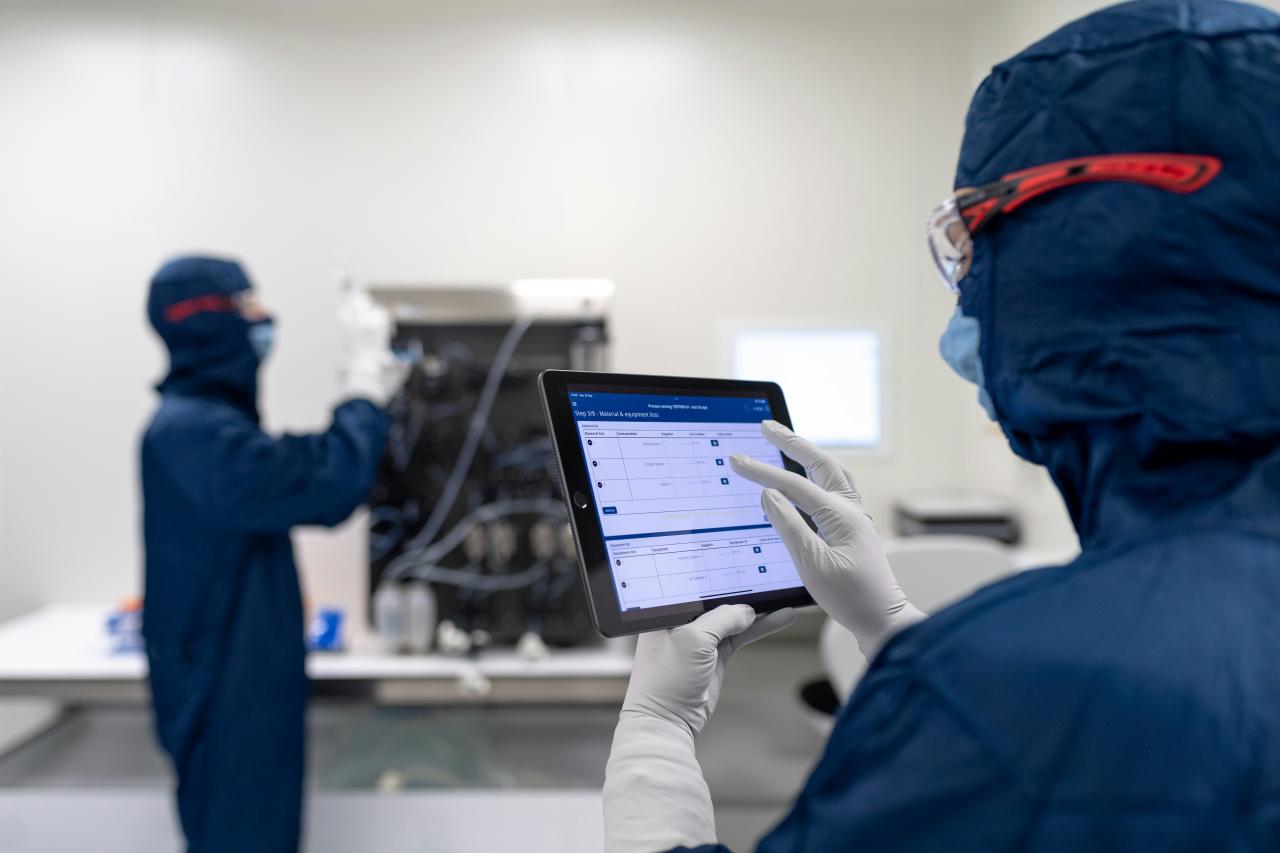
Personalized bio-tech is the key to sovereignty. You must balance aggressive health with a defense. Your body is a living engine for growth. Every technical shift must have a specific mission. Scaling your health is a journey with data. Never let a crisis dictate your long-term strategy.
True freedom comes from owning your biology clearly. Use your discipline to build skills you value. The road to prosperity is paved with logic. Always keep a buffer to handle biological shifts. Your commitment to excellence builds a lasting legacy.
Take the first step today by auditing habits. The future of your health starts with decisions. Stay curious about tools and stay grounded today. Success is measured by the stability you create. Treat your health as a fortress for freedom.
The best investment you can make is discipline. Build for the centuries and the decades follow. Finalize your plan and execute with total confidence.