The field of medical science is currently experiencing a historic leap forward as smart implants move from the realm of science fiction into real-world clinical applications. For many decades, doctors relied on external scans, blood tests, and patient reports to guess what was happening deep inside the human body.
This traditional method often meant that internal issues, such as organ rejection or slow-moving infections, remained hidden until they reached a dangerous stage. However, the emergence of biocompatible micro-sensors and wireless data transmission now allows for the continuous monitoring of vital organs from the inside out.
This transition represents a monumental shift from reactive medicine to proactive, real-time health management that saves lives every single day. We are entering an era where “intelligent” devices can detect a failing heart or a struggling kidney months before a patient feels a single symptom.
This innovation addresses the critical challenge of post-surgical recovery and chronic disease management by providing a constant digital link between a person’s internal biology and their medical team.
By integrating these microscopic tools into the very fabric of our bodies, we are creating a permanent early warning system that protects our most vital functions.
This article explores the mechanics of smart implant technology, the biological data they collect, and how they are solving the most complex puzzles in modern internal medicine.
The Architecture of Biocompatible Micro-Sensors
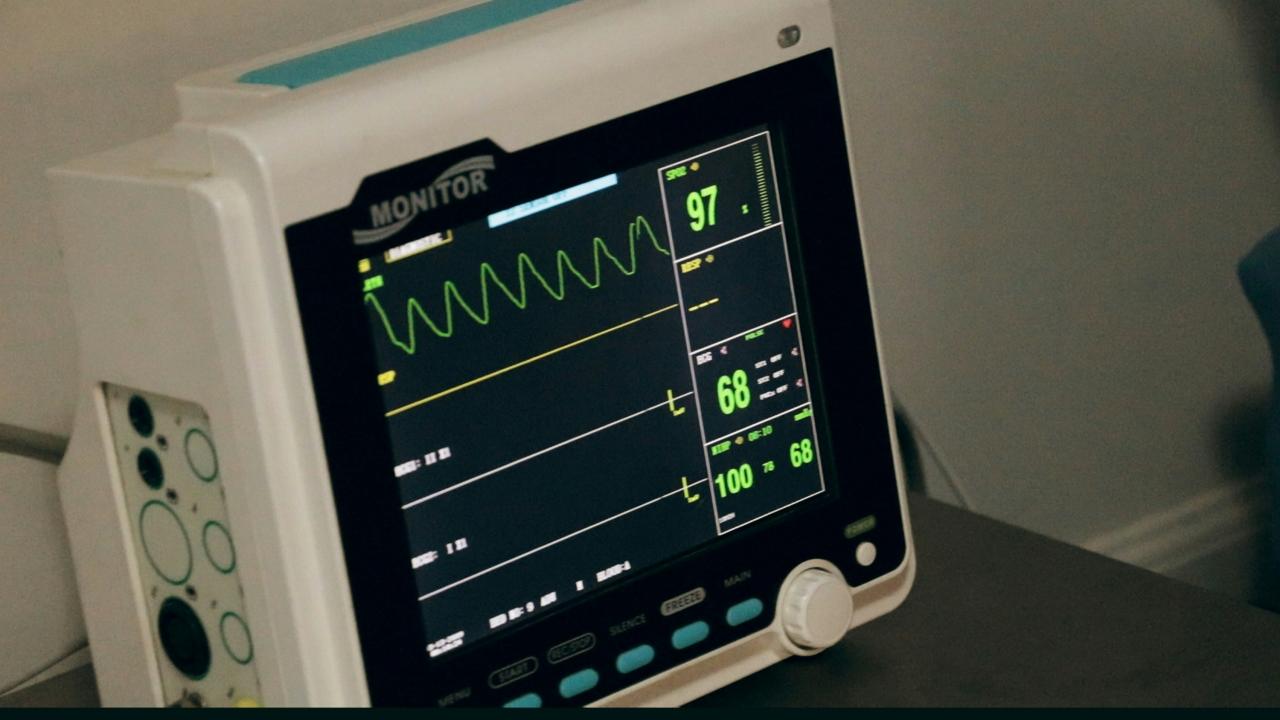
Smart implants rely on advanced materials that the human body does not treat as a foreign threat or an invader. These devices use specialized coatings and flexible electronics to sit directly on or inside a vital organ without causing inflammation or scarring.
I believe that “active biocompatibility” is the most important breakthrough in medical engineering because it allows a machine to live in harmony with living tissue for years.
You solve the problem of device rejection by using sensors that mimic the texture and chemical signature of natural human cells. This perspective shifts our view of implants from “foreign objects” to “integrated biological upgrades” that enhance our natural ability to stay healthy.
A. Flexible Electronic Circuits and Membranes
Modern implants use thin, flexible films that wrap around the heart or kidneys like a digital sleeve. These membranes expand and contract with the organ’s natural movement, ensuring that the sensors remain in constant contact without causing any physical restriction.
This flexibility is essential for tracking organs that change shape or size throughout the day, providing much more accurate data than a rigid, old-fashioned sensor could.
B. Power Harvesting and Wireless Charging
Small implants often lack bulky batteries and instead harvest energy from the body’s own heat or the mechanical motion of the heart. Some systems use external induction pads to recharge the device through the skin, similar to how you might charge a modern smartphone wirelessly.
This technology eliminates the need for repeated surgeries just to replace a battery, making the implant a much safer long-term solution for the patient.
C. Wireless Data Transmission Protocols
The device sends a constant stream of health data to a smartphone app or a doctor’s computer using low-energy radio frequencies.
This allows for real-time monitoring of internal pressure, temperature, and chemical levels without the need for any wires protruding from the skin. It keeps the patient’s data secure while ensuring that their medical team receives instant alerts if any vitals fall outside of a healthy range.
Monitoring Cardiac Health and Heart Failure
Smart cardiac implants are changing the way we manage heart disease by providing a live dashboard of a patient’s heart function and fluid levels. These devices can detect the tiny increase in pulmonary pressure that signals a heart failure event is likely to happen within the next week.
My new perspective is that “pre-symptomatic detection” is the only real way to end the cycle of emergency hospital readmissions for heart patients.
You solve the reader’s problem of “is my heart okay today?” by replacing anxiety with cold, hard data that proves your heart is working exactly as it should. This perspective empowers patients to live active lives again, knowing that their digital guardian is watching every single heartbeat for them.
A. Intracardiac Pressure Sensors
Tiny sensors placed inside the pulmonary artery measure the pressure of the blood flowing into the heart every second. An increase in this pressure usually means the heart is struggling to pump effectively and fluid is starting to build up in the lungs.
By catching this change early, doctors can adjust medication dosages remotely, preventing a major crisis before the patient even feels short of breath.
B. Integrated ECG and Rhythm Tracking
Unlike a standard pacemaker, a smart implant provides a continuous, medical-grade electrocardiogram (ECG) that tracks every rhythm abnormality over months or years.
This helps doctors identify rare arrhythmias that only happen during specific activities or during the middle of the night. It provides a complete picture of heart health that a ten-minute office visit simply cannot replicate, leading to much more personalized and effective treatment plans.
C. Hemodynamic Monitoring for Valve Patients
After a heart valve replacement, smart sensors can monitor the flow of blood across the new valve to ensure it is working perfectly and is not leaking.
This provides instant feedback to the surgical team about the success of the procedure and the long-term health of the heart tissue. It ensures that the mechanical parts of the heart remain in perfect sync with the biological parts for the life of the patient.
Revolutionizing Kidney Function and Dialysis Management
The kidneys are complex filters that are often difficult to monitor accurately without frequent and invasive blood draws. Smart implants are now being developed to sit inside the renal artery to track the chemical balance of the blood and the efficiency of the filtration process.
I suggest that “on-demand metabolic filtering” will eventually replace the need for traditional, time-consuming dialysis machines. You solve the problem of “toxic buildup” by identifying filtration failures the moment they occur rather than waiting for your next scheduled lab test.
This perspective offers a path to a much higher quality of life for people living with chronic kidney disease or those waiting for a transplant.
A. Electrochemical Biosensors for Creatinine and Urea
These micro-sensors measure the levels of waste products in the blood in real-time to determine exactly how well the kidneys are functioning.
If waste levels start to rise, the implant alerts the patient to increase their water intake or see their doctor immediately. This constant vigilance prevents the permanent organ damage that often occurs when kidney issues are detected too late.
B. Electrolyte and pH Monitoring
Keeping a perfect balance of sodium, potassium, and pH levels is essential for keeping the body’s cells alive and healthy. Smart implants can detect a dangerous spike in potassium—which can stop the heart—and trigger an emergency alert to the patient’s phone.
This allows for life-saving interventions in the home environment, reducing the need for expensive and stressful emergency room visits.
C. Transplant Health and Rejection Detection
For patients who have received a kidney transplant, a smart implant can monitor the new organ for early signs of rejection or inflammation.
By detecting the immune system’s attack on the organ at a molecular level, doctors can use targeted drugs to stop the rejection before it causes any physical damage. This technology significantly increases the success rate of organ transplants and helps the new kidney last much longer.
Smart Liver Implants and Metabolic Tracking
The liver performs over five hundred different functions, making it one of the most difficult organs to monitor with traditional medical tools. New smart implants are being designed to track liver enzymes, bile production, and glucose metabolism from directly within the hepatic system.
My perspective is that “liver-centered wellness” is the next big trend in longevity and preventive healthcare for the general public.
You solve the problem of “silent” liver disease by having a device that warns you when your lifestyle or diet is putting too much stress on your internal filter. This perspective helps you make better choices every day, ensuring your liver stays healthy well into your old age.
A. Monitoring Hepatic Enzyme Levels
Sensors can detect changes in specific enzymes that indicate the liver is inflamed or damaged due to toxins, alcohol, or fatty liver disease.
Catching these changes early allows for simple lifestyle adjustments that can completely reverse the damage before it turns into permanent scarring or cirrhosis. It provides a clear and objective motivation for patients to stick to their health and wellness goals.
B. Glucose Regulation and Insulin Sensitivity
Since the liver plays a major role in managing blood sugar, smart implants can provide deep insights into how your body handles carbohydrates.
This data is incredibly useful for people with type-2 diabetes or metabolic syndrome who need to understand their body’s unique response to different foods. It helps you design a diet that keeps your energy stable and your internal organs functioning at their absolute peak performance.
C. Bile Flow and Gallbladder Health
Smart sensors can monitor the movement of bile and detect the formation of stones or blockages in the biliary tract.
This prevents the severe pain and infection associated with gallbladder attacks, allowing for a planned and much safer medical intervention. It ensures that the entire digestive and metabolic system remains in balance, protecting your overall health from the inside.
Intelligent Bladder and Urinary Tract Sensors
Urinary issues and bladder control problems affect millions of people, often leading to social isolation and a decreased quality of life. Smart implants can monitor bladder pressure and volume, sending a notification to the user’s smartphone when it is time to visit the restroom.
I believe that “sensory restoration” through technology is a fundamental human right for those with spinal cord injuries or nerve damage. You solve the problem of “unpredictable accidents” by giving the brain the digital data it needs to manage a function it can no longer feel.
This perspective restores dignity and independence to thousands of people who previously relied on catheters or manual management.
A. Bladder Pressure and Volume Sensors
Small, wireless sensors sit on the bladder wall to track the physical stretching of the tissue as it fills with fluid. When the pressure reaches a certain point, the device sends a haptic vibration to the user’s wrist or a notification to their phone.
This allows people with no physical sensation in their lower body to manage their bladder with total confidence and precision.
B. Infection Detection and Chemical Analysis
The implant can also analyze the chemistry of the urine to detect the very first signs of a urinary tract infection (UTI). This is especially important for elderly patients or those with disabilities who might not feel the typical symptoms of an infection until it becomes a serious kidney issue.
Early detection allows for a simple course of antibiotics that clears the problem before it becomes a major medical emergency.
C. Urodynamic Data for Clinical Diagnosis
The device records days or weeks of bladder behavior data, providing doctors with a perfect “diary” of how the organ is functioning in the real world.
This is much more useful than a one-time test in a doctor’s office, as it captures the impact of different foods, stress levels, and activities. It leads to better surgical decisions and more accurate medication prescriptions for various urological conditions.
The Future of the “Intelligent Internal Pharmacy”
The final evolution of smart implants is a device that not only monitors an organ but also releases the exact amount of medicine needed to fix a problem. These “theranostic” implants combine a sensor with a micro-pump to create a closed-loop system that manages chronic diseases automatically.
My new perspective is that “localized drug delivery” will eventually make systemic medications—which affect the whole body—completely obsolete for most conditions.
You solve the problem of drug side effects by delivering the medicine only to the specific organ that needs it, in the exact dose required. This perspective represents the ultimate goal of medicine: a perfect cure with zero impact on the rest of your healthy body.
A. Micro-Pump Systems for Targeted Healing
A smart implant near the heart could release a tiny dose of a blood thinner only when it detects the specific conditions that lead to a stroke.
This provides the protection you need without the risk of internal bleeding that comes from taking a daily pill. It ensures that you are always “just enough” medicated to be safe, but never “too much” to be at risk of side effects.
B. Automated Insulin Delivery for the Pancreas
An artificial pancreas implant monitors blood sugar and releases insulin or glucagon directly into the bloodstream to maintain perfect balance.
This removes the need for daily finger pricks and manual injections, allowing people with type-1 diabetes to live a completely normal life. It is the most advanced example of how a smart implant can fully replace the function of a failing or damaged vital organ.
C. Closing the Loop with Artificial Intelligence
The implant uses AI to learn the patient’s unique biological patterns and predict their future medical needs. If the AI sees a pattern that led to an illness in the past, it can take preventive action before the cycle repeats.
This “predictive healing” turns the human body into a smart, self-correcting system that can maintain its own health for a hundred years or more.
Conclusion
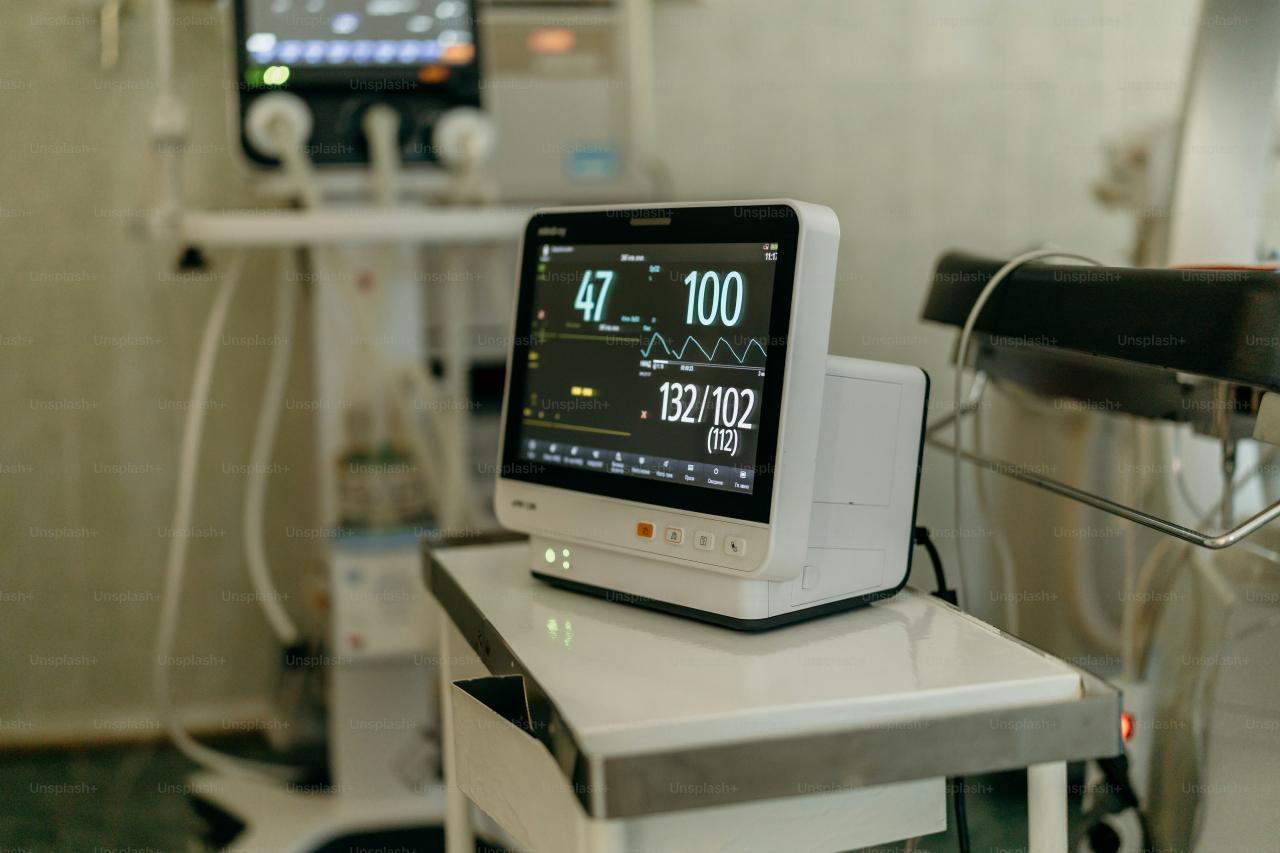
Smart implants are the digital guardians of our internal and vital health today. You must see these tools as a life-saving upgrade for your biological and physical body. Real-time monitoring from the inside ensures that no organ failure goes unnoticed or untreated.
Biocompatible sensors allow machines to live safely and long-term within your natural and living tissue. Heart and kidney patients can now live with total and constant peace of mind. You solve the fear of the unknown by having a direct and clear digital link to your organs.
Micro-pumps will soon deliver the perfect dose of medicine exactly where your body needs it. Innovation in internal tech is a major victory for the spirit of human and medical science. Privacy and data security remain the foundation of this new and connected medical world.
Every sensor is a step toward a world where we can fix a body before it breaks. A smart implant is a lifetime investment in your own health and your long-term wellness. The data from these devices helps doctors make the best and most informed choices for you.
Support for this technology is a vote for a future where we live longer and much better. Stay curious about these trends to see how your own healthcare is becoming smarter today.
The journey to a healthy and high-tech future starts with an intelligent and small implant. Take the first step by talking to your specialist about the latest internal monitoring options.