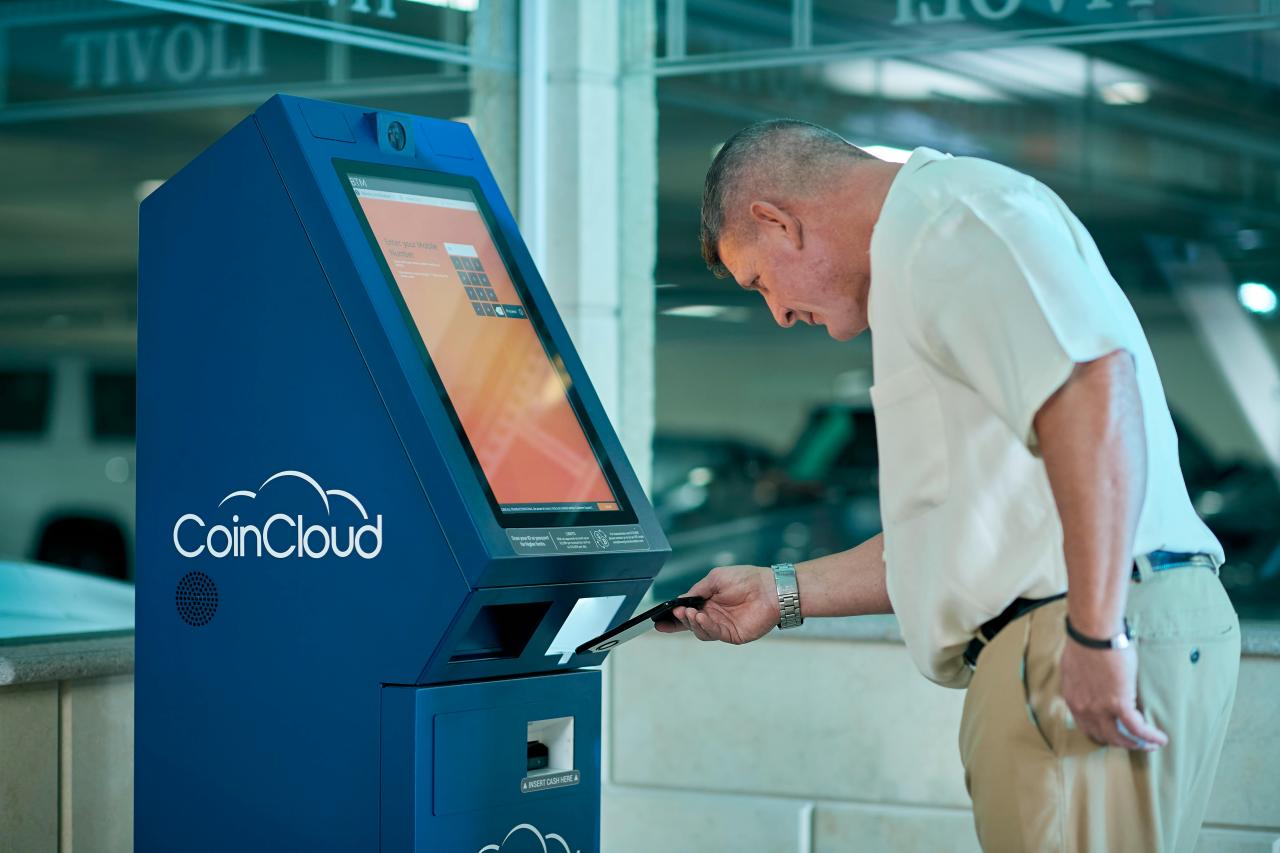
The modern world is rapidly moving away from traditional paper-based identification toward a future defined by secure digital identity systems. For many years, we relied on physical cards and passports that were easily lost, damaged, or forged by sophisticated criminals.
However, the rise of powerful encryption and biometric technology now allows every individual to carry a verified digital version of themselves on their smartphone. This transition is not just about convenience; it represents a fundamental shift in how we access essential services like banking, healthcare, and government support.
Global organizations are currently launching interoperable frameworks that allow your digital ID to work across different borders and platforms seamlessly. We are entering an era where “trust” is built into the very fabric of our digital interactions, reducing fraud and protecting personal privacy at an unprecedented scale.
By eliminating the need for physical presence and manual paperwork, these systems are opening doors for billions of people who previously lacked official documentation. This article explores the mechanics behind these secure systems and how they are solving the most pressing challenges of our connected global society.
The Mechanics of Biometric and Cryptographic Security
The foundation of any secure digital identity system lies in its ability to prove that you are who you say you are without revealing unnecessary personal data. Modern systems use a combination of “what you have” (your device) and “who you are” (your unique biological traits).
I believe that the move toward “decentralized identifiers” (DIDs) is the most important breakthrough for user privacy in the last decade. You solve the problem of large-scale data breaches by ensuring that no single central database holds the keys to everyone’s identity.
This perspective gives the power back to the individual, allowing you to share only the specific information required for a transaction while keeping the rest of your life private.
A. Biometric Authentication and Liveness Detection
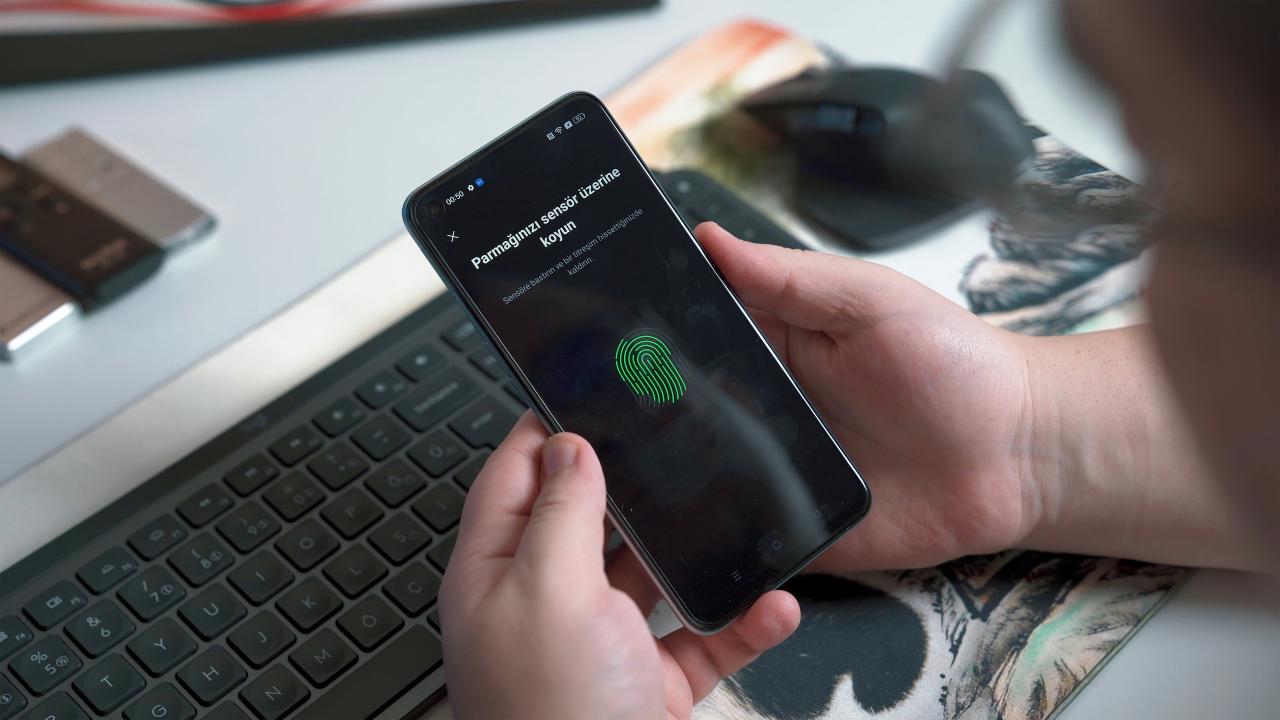
Digital IDs use facial recognition, fingerprints, or iris scans to verify the physical presence of the user during a transaction. Advanced “liveness detection” algorithms ensure that a static photo or a high-quality deepfake cannot trick the system into granting access.
This creates a biological lock that only the real owner can open, providing a level of security that passwords simply cannot match.
B. Public Key Infrastructure and Digital Signatures
Every digital ID is linked to a pair of cryptographic keys: a public key that others use to verify you and a private key that stays securely on your device. When you sign a digital document or authorize a payment, the system uses your private key to create a unique digital fingerprint.
This ensures that the information has not been tampered with and that the request truly came from your verified identity.
C. On-Device Secure Enclaves for Data Protection
Modern smartphones contain a specialized hardware chip known as a “Secure Enclave” or “Trusted Execution Environment” that operates separately from the main processor.
Your sensitive biometric data and private keys never leave this protected zone, meaning even the phone’s operating system cannot access them. This hardware-level isolation protects your identity even if your phone is infected with malicious software or a virus.
Enhancing Global Financial Inclusion and Banking
One of the most significant barriers to escaping poverty is the lack of a formal identity, which prevents over one billion people from opening a bank account. Digital identity systems are currently bridging this gap by providing a low-cost and accessible way for the “unbanked” to enter the formal economy.
My new perspective is that “digital-first onboarding” is the only realistic way to achieve true global financial equality.
You solve the reader’s problem of complex bureaucracy by replacing weeks of paperwork with a simple five-minute mobile verification process. This allows small business owners in remote areas to access credit, loans, and international markets for the first time in history.
A. Simplified Know Your Customer (KYC) Processes
Banks can now verify a new customer’s identity instantly using a digital ID, drastically reducing the cost and time required for onboarding.
This efficiency allows financial institutions to serve lower-income customers profitably, expanding the reach of banking services to every corner of the globe. It removes the need for physical branches and allows for “branchless banking” through simple mobile applications.
B. Building a Digital Credit History
Digital identity systems allow individuals to link their utility payments, mobile phone history, and small transactions into a verified record.
This “alternative data” helps people without traditional collateral to build a credit score and qualify for microloans. It turns your daily habits into a valuable asset that helps you grow your business and improve your family’s financial future.
C. Secure and Low-Cost Cross-Border Remittances
Sending money across borders is often expensive and slow due to the many layers of identity verification required by different countries.
An interoperable digital identity allows for instant verification, cutting out the middlemen and lowering the fees for international transfers. This ensures that more of the money sent by workers abroad actually reaches their families in their home countries.
Transforming Healthcare and Patient Data Management
In many parts of the world, medical records are fragmented, leading to dangerous errors and delays during emergency treatments. Secure digital identity systems allow patients to carry their entire medical history in an encrypted format that they control completely.
I suggest that “patient-centric data ownership” will be the biggest driver of improved health outcomes in the coming years.
You solve the problem of missing medical files by giving doctors instant access to your allergies, medications, and history—but only when you give them permission. This perspective ensures that you receive the right care at the right time, regardless of which hospital or clinic you visit.
A. Verified Vaccination and Immunity Records
Digital IDs provide a tamper-proof way to store and share your vaccination status for travel or employment purposes.
This replaces easily forged paper cards with a secure digital certificate that can be verified by a simple QR code scan. It protects public health while ensuring that individuals can move freely and safely in a post-pandemic world.
B. Secure Access to Telemedicine Services
As more healthcare moves online, verifying the identity of both the patient and the doctor is essential for safety and insurance compliance.
Digital identity ensures that prescriptions are sent to the correct person and that medical consultations remain private and confidential. This allows people in rural areas to receive expert medical advice without having to travel long distances to a physical hospital.
C. Streamlining Insurance Claims and Administration
By linking your identity directly to your insurance provider, hospital billing becomes an automated and transparent process.
The AI can verify your coverage instantly, reducing the administrative burden on nurses and allowing them to focus on patient care. This efficiency lowers the overall cost of healthcare and reduces the frequency of fraudulent insurance claims.
Protecting Privacy with Zero-Knowledge Proofs
A common fear about digital identity is that it will allow governments or corporations to track every move a person makes online. To solve this, developers are using a revolutionary mathematical technique called “Zero-Knowledge Proofs” (ZKPs).
My perspective is that “privacy-by-design” is not just a feature; it is a fundamental human right in the digital age. You solve the fear of surveillance by allowing the system to prove a fact about you without actually sharing the underlying data.
For example, you can prove you are over twenty-one years old without ever showing your actual date of birth or your name.
A. Selective Disclosure of Personal Attributes
When you use a digital ID to enter a venue, the system only reveals the specific information needed for that interaction.
This prevents “data oversharing,” where companies collect more information about you than they actually need for their service. It keeps your personal details out of marketing databases and protects you from targeted advertising and identity theft.
B. Anonymous Credential Verification
ZKPs allow a service provider to verify that you hold a valid credential—like a driver’s license or a professional degree—without knowing who you are.
This is incredibly useful for anonymous voting systems or private whistleblowing where your status matters more than your identity. It provides a way to participate in society while maintaining a high level of personal anonymity and safety.
C. Eliminating the Need for Centralized Passwords
Because digital IDs rely on public key cryptography, you no longer need to create or remember hundreds of different passwords for different websites.
You simply “authenticate” with your digital ID, and the system confirms your identity through a secure, private handshake. This removes the “password fatigue” that often leads to people using weak and easily hackable login credentials.
Empowering Smart Cities and Public Services
The cities of the future will rely on digital identity as the “connective tissue” that links citizens to their local infrastructure. From paying for public transport to voting in local elections, a secure digital ID makes city living more efficient and inclusive for everyone.
I believe that “seamless civic engagement” is the primary goal of the smart city movement. You solve the problem of government inefficiency by allowing citizens to access all public services through a single, secure digital portal. This perspective turns a frustrating trip to the city hall into a simple three-click process on your mobile device.
A. Integrated Public Transport and Mobility
A digital ID can act as a universal key for buses, trains, bike-shares, and even autonomous taxis within a city. This allows for a “frictionless” travel experience where your fare is automatically calculated and paid based on your verified identity and discounts.
It encourages more people to use public transit, reducing traffic congestion and urban pollution for everyone.
B. Digital Voting and Community Participation
Secure identity systems allow for remote voting in elections and local referendums, significantly increasing citizen participation.
The cryptographic nature of the ID ensures that every vote is counted correctly and that no one can vote more than once. This makes the democratic process more accessible to people who cannot leave their homes or work long hours.
C. Rapid Disaster Response and Social Aid
In the event of a natural disaster, digital identity allows the government to distribute emergency aid and food supplies to the right people instantly.
It prevents “aid diversion” where resources are stolen or given to those who do not need them. This ensures that the most vulnerable members of the community receive the help they need during a crisis without any delay.
The Role of Blockchain in Decentralized Trust
Many modern digital identity systems use blockchain technology to ensure that records are permanent and cannot be altered by any single authority.
This “decentralized ledger” provides a transparent and audit-able trail of every identity verification without storing personal data on the chain. My new perspective is that “immutable trust” is the missing piece of the internet’s original architecture.
You solve the problem of centralized control by distributing the verification process across a global network of independent nodes. This ensures that no government or corporation can “turn off” your identity or prevent you from accessing your own digital rights.
A. Tamper-Proof Credential Issuance
When a university or a government issues a digital credential, they sign it and record the “hash” on a blockchain. Anyone can then verify the validity of that credential by checking it against the blockchain record.
This makes it impossible to forge diplomas or licenses, protecting the integrity of professional standards around the world.
B. Self-Sovereign Identity (SSI) Frameworks
SSI is a philosophy where the individual is the sole owner and controller of their digital identity and data. You can “revoke” access to your data at any time, ensuring that companies cannot keep using your information after you stop using their service.
This puts the consumer in the driver’s seat of their digital life, creating a more balanced and fair relationship with big tech.
C. Interoperability Across Different Networks
Blockchain standards allow different digital identity systems in different countries to “talk” to each other securely.
This means your verified ID from one country could be used to prove your identity in another country during your travels. This global interoperability is essential for creating a truly connected and efficient international economy.
Conclusion
Secure digital identity systems are the future of our global and connected society. You must embrace these tools to protect your personal data and your privacy. Digital IDs return power to the individual and away from large and centralized databases.
Biometrics ensure that only you can access your bank account and your private records. Financial inclusion is finally possible for billions of people who lack traditional paper documents. Healthcare becomes safer and much more efficient when patients own their own medical data.
Zero-knowledge proofs allow you to prove who you are without revealing your personal life. Smart cities use these systems to create a seamless and inclusive urban living experience. Blockchain technology provides the permanent and tamper-proof trust that the internet currently lacks today.
Passwords are disappearing as we move toward much more secure and cryptographic login methods. The era of paper identity is ending as the era of digital trust begins now. Every transaction you make is safer and faster with a verified and secure digital identity.
Support the launch of these systems in your local community to help everyone thrive. Innovation in identity tech is a major step toward a fairer and more equal world. The journey to a secure digital future starts with your own verified mobile identity. Take the first step by exploring the secure digital ID options available in your country.