The global energy landscape is currently witnessing a tectonic shift as researchers finally crack the code on solid-state battery technology. For years, the electric vehicle revolution has relied on traditional lithium-ion batteries, which use liquid electrolytes to move energy back and forth.
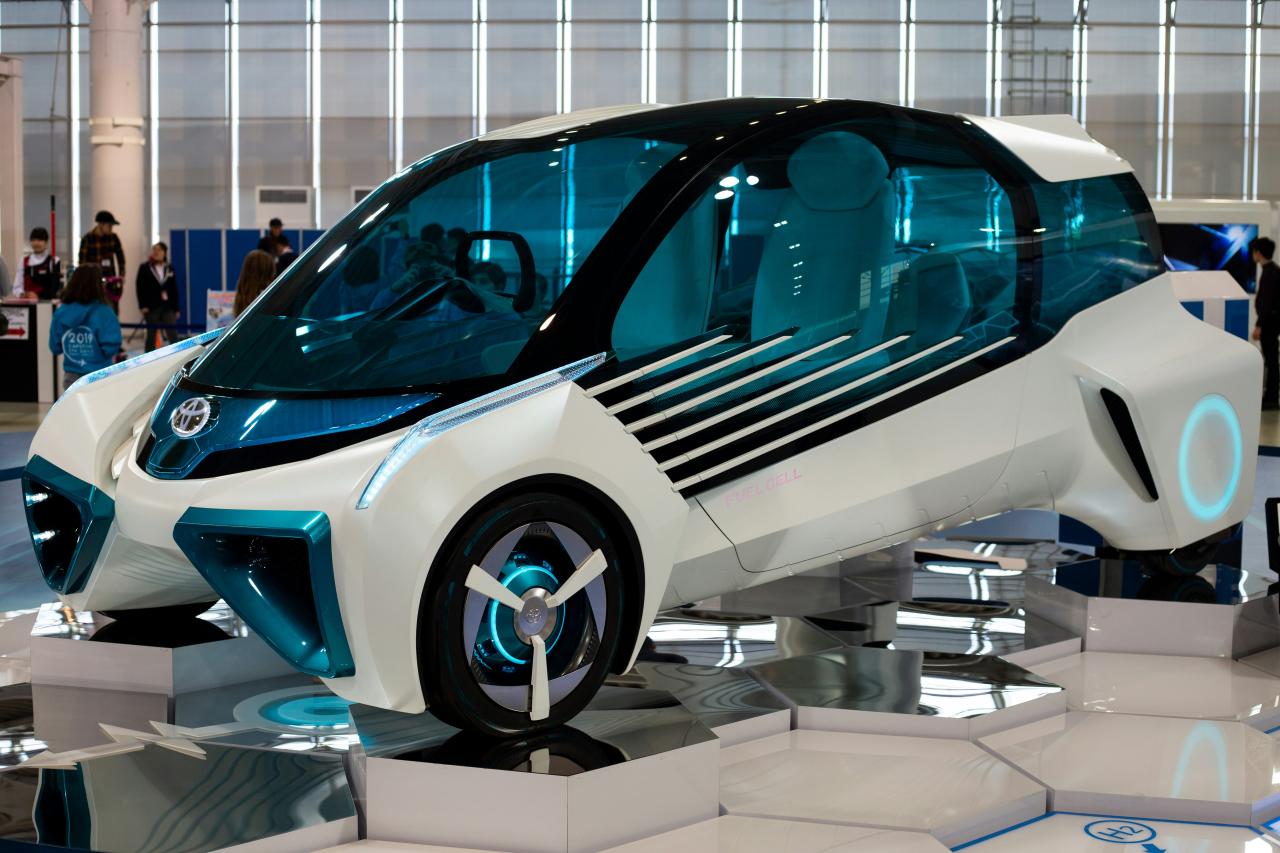
While effective, these liquid systems face physical limits in terms of energy density, charging speed, and inherent flammability risks. Major automotive giants and specialized tech firms are now unveiling prototypes that promise to double the range of current electric cars.
This innovation represents the “holy grail” of energy storage, offering a future where range anxiety becomes a relic of the past. We are entering an era where charging a car could be as fast as filling a gas tank at a traditional station.
As these batteries move toward mass production, they will likely redefine the electronics, aviation, and automotive industries forever. This article explores the specific breakthroughs, the key players involved, and how this tech will change your daily life.
The Science of the Solid Electrolyte Revolution
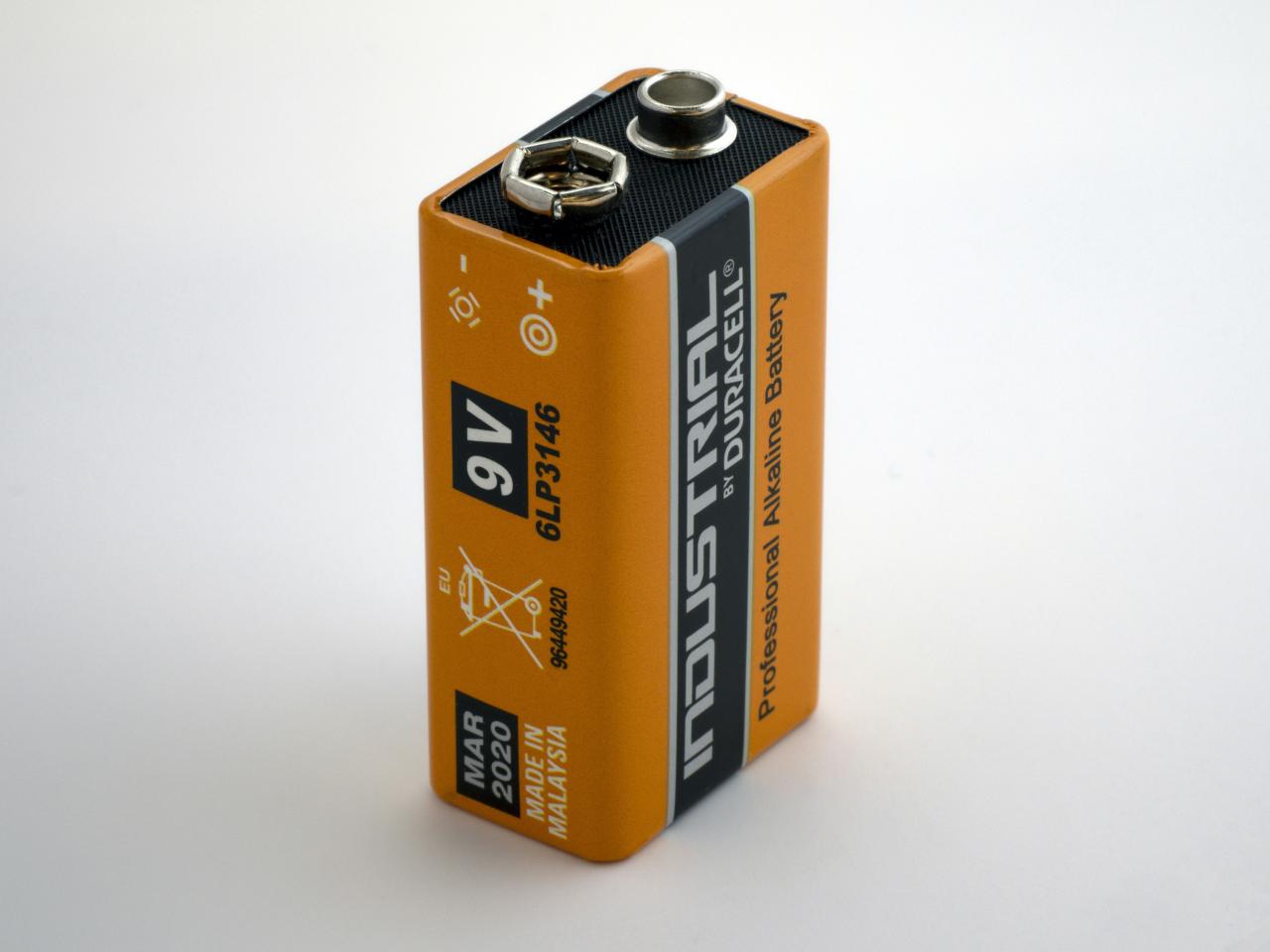
Traditional batteries use a liquid soup to transport ions, but solid-state batteries replace this with a rigid ceramic or polymer layer. This fundamental change allows the battery to be much thinner while holding significantly more energy in the same physical footprint.
I believe that the move to solid materials is the most important engineering leap since the invention of the lithium-ion cell itself.
You solve the primary problem of “thermal runaway” because solid electrolytes simply do not catch fire like liquid ones do. This perspective shifts the focus from managing battery fires to maximizing pure performance and longevity for the user.
A. Eliminating the Risk of Battery Combustion
Solid electrolytes are non-flammable and can withstand much higher temperatures than their liquid counterparts. This allows manufacturers to remove heavy and complex cooling systems from vehicles, making them lighter and more efficient. A safer battery means a more reliable vehicle for families and long-distance travelers alike.
B. Achieving Unprecedented Energy Density Levels
By using a solid separator, engineers can use lithium metal anodes, which store far more energy than the graphite used today. Current breakthroughs have demonstrated energy densities exceeding 500 Wh/kg, nearly doubling the capacity of high-end liquid batteries. This means a car that used to travel 300 miles can now easily reach 600 miles on a single charge.
C. The End of Dendrite Growth Problems
Dendrites are microscopic spikes that grow inside batteries and cause short circuits, often leading to total failure. New solid ceramic layers are physically tough enough to block these spikes from piercing through the electrolyte. This discovery extends the lifespan of the battery to over 10,000 charge cycles in some recent laboratory tests.
Faster Charging and Extreme Durability
One of the biggest complaints about electric vehicles is the time it takes to wait at a charging station during a trip. The latest solid-state breakthroughs allow for much higher current flows without damaging the internal structure of the battery cells.
My new perspective is that “charge time” is the final barrier to the total death of the internal combustion engine. You solve the reader’s frustration by reducing a forty-minute wait to a mere ten-minute pause for a full charge. This makes electric travel practical for everyone, including those who do not have a charger at home.
A. Charging from Ten to Eighty Percent in Minutes
Recent tests by companies like Toyota and Factorial Energy show that solid-state cells can handle rapid DC fast charging with ease. This allows you to regain hundreds of miles of range in the time it takes to grab a cup of coffee. The high ionic conductivity of new sulfide-based electrolytes makes this blistering speed possible without overheating the pack.
B. Performance in Extreme Weather Conditions
Liquid batteries often struggle in the freezing cold or the blistering heat, losing range and power rapidly. Solid-state technology remains stable across a much wider temperature range, from minus thirty to over one hundred degrees Celsius. This ensures that your car performs exactly the same way in a winter storm as it does in a summer heatwave.
C. Reducing the Total Weight of the Vehicle
Because solid-state batteries are so much more energy-dense, you can use a smaller battery to get the same range. This reduces the overall weight of the vehicle, which improves handling, braking, and overall road safety. Lighter cars also cause less wear and tear on tires and suspension components over time.
The Key Players Racing for Dominance
The race to commercialize solid-state batteries has become a multi-billion dollar competition involving the world’s most powerful nations and corporations. From Silicon Valley startups to Japanese automotive legends, everyone is fighting to be the first to reach true mass production.
I suggest watching the partnerships between traditional car makers and battery tech firms very closely in the coming months.
This perspective solves the problem of “vaporware” by showing which companies actually have real hardware on the road. We are seeing a shift from theoretical research to actual manufacturing facility construction across the globe.
A. Toyota’s Massive Patent Portfolio and 2027 Goal
Toyota currently holds the highest number of solid-state battery patents in the world and plans a market launch very soon.
They have overcome early durability issues and are now focusing on the complex assembly lines needed for mass manufacturing. Their goal is to offer a vehicle with a 1,200-kilometer range that charges in under ten minutes.
B. QuantumScape and the Volkswagen Partnership
The US-based firm QuantumScape has successfully tested multi-layer cells that retain over 95% capacity after 1,000 cycles.
Backed by Volkswagen, they are now scaling up their “Cobra” production process to create thousands of cells for vehicle testing. This collaboration represents the strongest Western effort to challenge the dominance of Asian battery manufacturers.
C. The Rise of Chinese Innovation with CATL and BYD
China is not falling behind, with companies like CATL unveiling “condensed” batteries that bridge the gap to all-solid-state.
BYD is also working on sulfide-based systems that could appear in their high-end luxury models within the next two years. Their massive manufacturing scale gives them a unique advantage in lowering costs for the average consumer.
Overcoming the Manufacturing Hurdle
While the science of solid-state batteries is now proven, building them at a global scale remains a significant engineering challenge. The materials used in these batteries are often sensitive to moisture and require clean-room environments for successful assembly.
My perspective is that the “manufacturing revolution” is just as important as the chemical discovery itself. You solve the problem of high initial costs by developing new “dry coating” techniques that skip the expensive drying ovens. Once the assembly process is streamlined, prices will drop to match or beat traditional liquid batteries.
A. Moving Away from Expensive Wet-Slurry Processing
Traditional battery making involves mixing chemicals into a liquid paste that must be dried in massive, energy-hungry ovens.
New solid-state methods use dry powders and high-pressure rollers to create battery layers instantly. This reduces the carbon footprint of the factory and significantly lowers the cost of every kilowatt-hour produced.
B. Sourcing Rare and Specialized Raw Materials
The solid electrolyte often requires specific minerals like germanium or high-purity sulfides that are currently expensive to source.
Scientists are now finding ways to use more abundant materials like sodium or specialized ceramics to replace these rare elements. This diversification of the supply chain ensures that the battery revolution is sustainable and affordable for the mass market.
C. Achieving Zero-Defect Quality Control at Scale
A single tiny crack in a solid ceramic layer can lead to a battery failure or a reduction in performance. High-speed laser scanning and AI-driven cameras now monitor every millimeter of the production line to ensure perfection.
This level of quality control is necessary to provide the ten-year warranties that consumers expect from their vehicles.
Impact on Electronics and Personal Devices
While electric vehicles get most of the attention, solid-state batteries will also transform your phone, laptop, and wearable devices. Imagine a smartphone that lasts for four days on a single charge and never gets hot while you are playing games.
I believe that the “consumer tech” market will actually be the first to see the benefits of this technology in a large way. This perspective solves the reader’s daily annoyance of carrying a power bank or looking for a wall outlet. Smaller, safer, and longer-lasting batteries will lead to a new generation of incredibly thin and powerful gadgets.
A. Ultra-Thin Design for Smartphones and Tablets
Because solid-state batteries do not need bulky safety casings, they can be made as thin as a piece of cardboard. This allows manufacturers to make foldable phones that are much thinner and more durable than current models. You get more battery capacity in a device that feels lighter and more comfortable in your hand.
B. Improved Safety for Wearable Health Tech
Devices that sit against your skin, like smartwatches and rings, benefit greatly from non-flammable battery chemistry. This removes the tiny risk of a battery malfunction causing a burn or a skin irritation for the user. It also allows for smaller medical implants that can last for a decade without needing a replacement surgery.
C. Faster Charging for Laptops and Power Tools
Power tools used by professionals can be recharged in the time it takes to change a drill bit. Laptops will be able to reach a full charge in fifteen minutes, making them perfect for people who work on the go. This increase in efficiency boosts productivity and reduces the downtime for workers in every industry.
The Future of Aviation and Heavy Transport
Heavy vehicles like semi-trucks and airplanes have always struggled with the weight of traditional lithium-ion batteries. Solid-state technology finally provides the “energy-to-weight” ratio needed to make electric flight a reality for short-haul trips.
My new perspective is that this tech is the key to cleaning up the hardest sectors of the transportation industry. You solve the problem of massive carbon emissions from planes and ships by providing a high-density energy source. This is the moment where we can finally imagine a world with silent, emission-free regional air travel.
A. Electric Regional Planes for Short Flights
Solid-state batteries allow small planes to carry enough energy to fly between cities without needing any jet fuel. This reduces the cost of air travel and significantly lowers the noise pollution around major airports. It opens up new routes for “air taxis” that can bypass city traffic and land on rooftops.
B. Zero-Emission Heavy-Duty Trucking
Long-haul trucks can carry more cargo and less battery weight when they switch to solid-state systems. This makes electric trucking more profitable for shipping companies and reduces the cost of goods for everyone. Fast-charging stations at highway stops will allow drivers to recharge during their mandatory breaks.
B. Sustainable Maritime and Shipping Solutions
Large ferries and cargo ships can use massive solid-state packs to navigate ports and coastal waters without burning heavy oil. This protects the marine environment and improves the air quality in busy port cities around the world. The long cycle life of these batteries makes them a great long-term investment for shipping fleets.
Environmental Benefits and Recycling
The shift to solid-state technology is not just about better performance; it is also about building a more sustainable planet. These batteries often require fewer toxic solvents during the manufacturing process and are easier to take apart at the end of their life.
I suggest that “recyclability” will become the most important metric for consumers who care about the environment.
This perspective solves the worry about battery waste by creating a circular economy where materials are reused forever. A green battery should be green from the moment it is made until the moment it is recycled.
A. Removing Harmful Liquid Chemicals from the Cycle
By eliminating the liquid electrolyte, we remove the need for various volatile organic compounds that can leak into the ground.
Solid batteries are much more stable in landfills, though they should always be sent to specialized recycling centers. This reduces the environmental risk associated with accidental damage to used battery packs.
B. Easier Material Recovery and Re-Manufacturing
The solid layers in these batteries can be separated more easily than the “black mass” found in liquid cells. This allows recyclers to recover up to 98% of the lithium and other valuable metals for use in new batteries. This creates a closed-loop system that reduces our reliance on mining new materials from the earth.
C. Longer Product Lifespans Mean Less Waste
When a battery lasts for twenty years instead of eight, we need to manufacture and recycle fewer batteries overall.
This reduction in the “replacement cycle” is the most effective way to lower the total environmental impact of technology. It saves the consumer money and protects the natural world from excessive industrial activity.
Conclusion
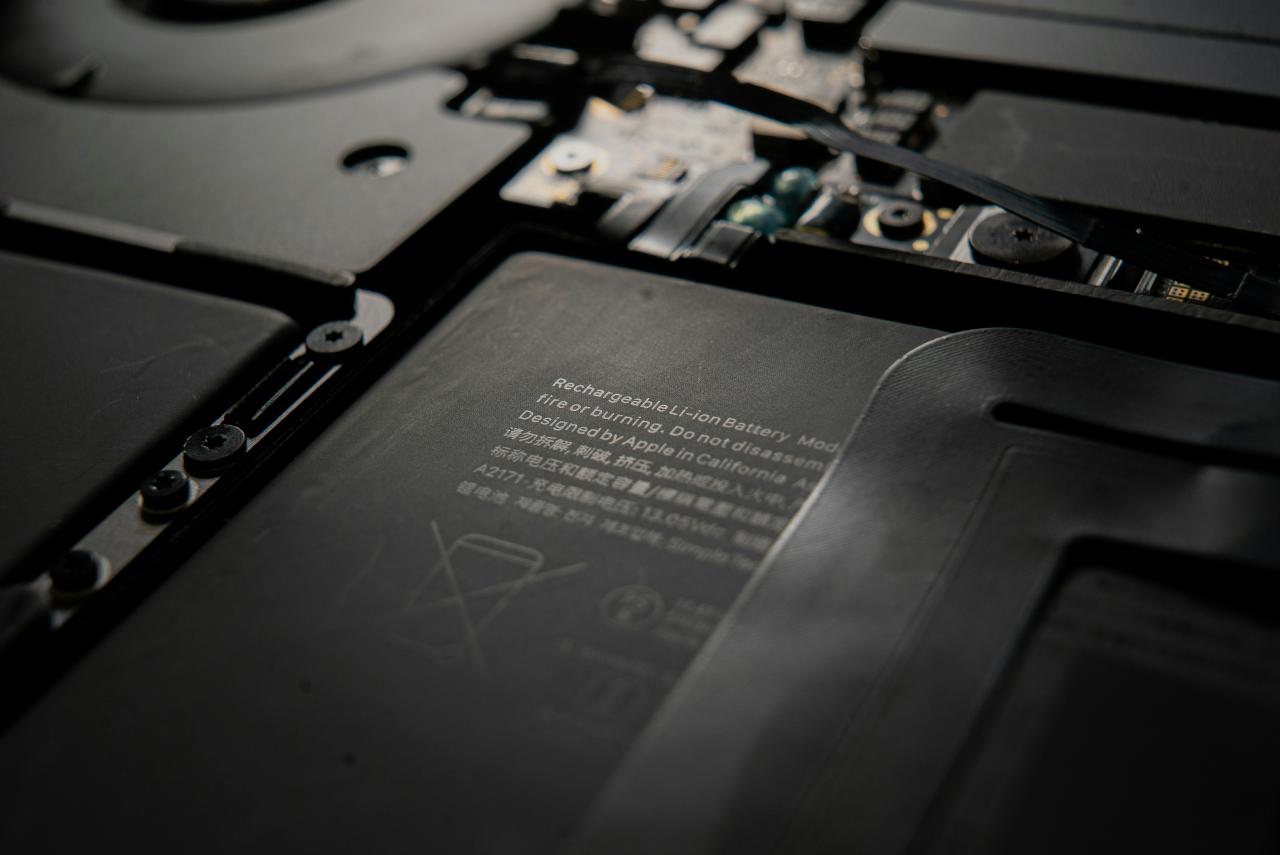
The arrival of solid-state battery technology marks a major turning point for humanity. We are finally moving past the limits of old liquid battery systems. Energy density will soon double, making long-distance travel much easier for everyone.
Charging speeds will finally match the convenience of traditional gas station stops. Safety is the greatest gift this technology brings to our modern lives. Non-flammable batteries protect our homes and our families from unexpected fire risks.
The global race for mass production will lower costs very quickly. Major partnerships between car makers and tech firms are driving this change. Our smartphones and laptops will become thinner and last much longer too.
The environment benefits from easier recycling and fewer toxic chemicals being used. Heavy transport and aviation are the next frontiers for this amazing innovation. We can finally see a clear path to a fully electric world.
Innovation in manufacturing is just as important as the chemical breakthroughs themselves. Stay updated on these trends to make smart choices for your future. The world of energy storage has never looked brighter or more promising. Take the first step toward the future by supporting these sustainable technologies.