


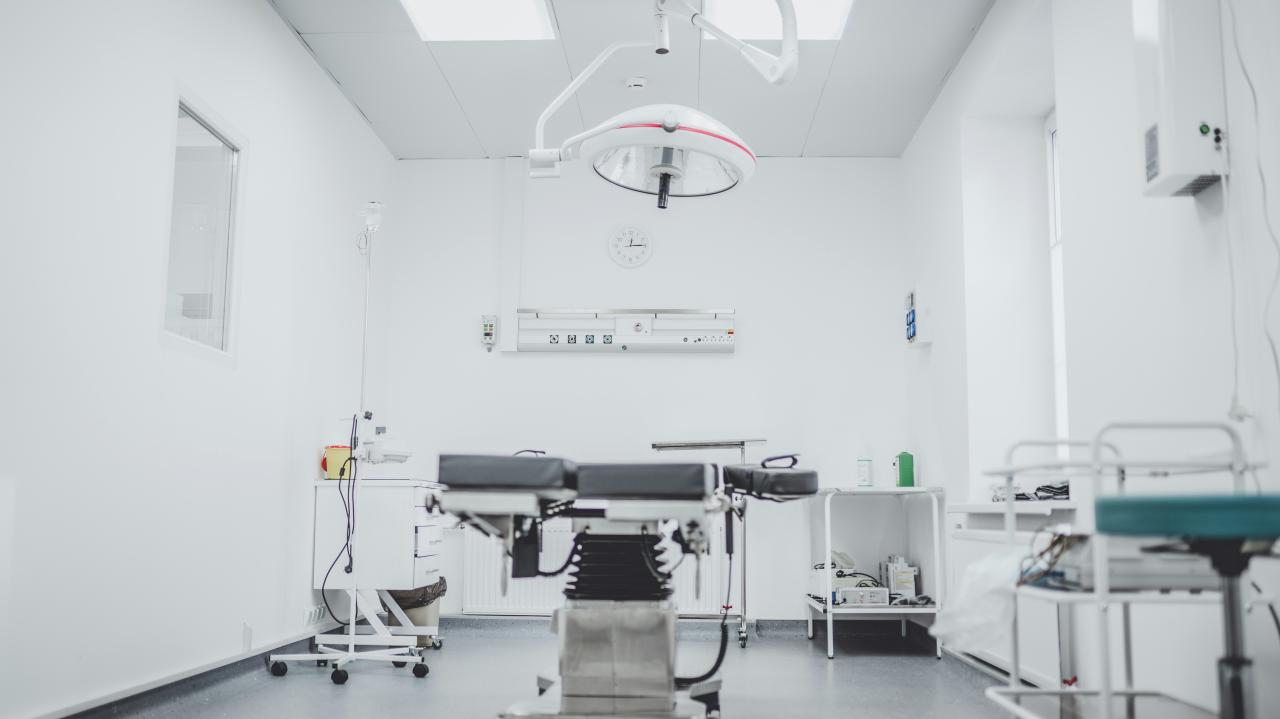
The medical field is currently witnessing a historic breakthrough as remote surgery technology finally bridges the massive gap between urban centers and isolated rural communities.
For many decades, patients living in remote areas faced life-threatening risks because they lacked immediate access to specialized surgeons who reside in big cities. This forced families to endure long, dangerous journeys or settle for general medical care that might not meet their specific surgical needs.
However, the emergence of ultra-low latency 5G networks and advanced robotic surgical systems now allows a specialist to operate on a patient from thousands of miles away.
This transition represents a monumental shift from a centralized healthcare model to a decentralized system where “distance” no longer dictates the quality of life-saving interventions.
We are entering an era where a surgeon in a world-class hospital can guide a robotic arm in a small mountain clinic with absolute precision and zero delay. This innovation addresses the critical shortage of specialist doctors in rural zones by bringing their expertise to the patient rather than moving the patient to the doctor.
By integrating high-speed connectivity with haptic feedback technology, we are creating a global network of surgical care that leaves no one behind.
This article explores the mechanics of telesurgery, the infrastructure requirements, and how this tech is solving the most pressing healthcare inequality issues of our time.
The Mechanics of High-Precision Telesurgery Robotics

Remote surgery, or telesurgery, relies on a sophisticated “master-slave” robotic configuration where the surgeon sits at a console and controls a robot at the patient’s location. The system translates the surgeon’s hand movements into micro-movements of robotic instruments inside the patient’s body with incredible accuracy.
I believe that “robotic stabilization” is the hidden hero of this technology because it filters out human hand tremors that naturally occur during long procedures.
You solve the problem of surgeon fatigue and human error by using a machine that remains perfectly steady for hours at a time. This perspective allows even the most complex operations to happen safely in local clinics that previously only handled basic first aid.
A. Master Console and Surgeon Interface
The surgeon uses high-definition 3D goggles and ergonomic controllers to manipulate the robotic arms from a distant location.
This interface provides a “submerged” experience where the doctor feels as if they are standing right over the patient. The console also displays real-time vitals and diagnostic data to ensure the surgeon has all the necessary information to succeed.
B. Slave Robotic System and Surgical Arms
At the rural site, a multi-armed robot performs the actual cutting, suturing, and cauterizing under the remote guidance of the specialist.
These robotic arms have more degrees of freedom than a human wrist, allowing them to reach difficult areas with ease. This agility reduces the size of incisions, which helps rural patients recover much faster and with fewer post-operative complications.
C. Force Feedback and Haptic Sensors
Advanced sensors on the robotic tips send “tactile” data back to the surgeon’s hands, allowing them to feel the tension of the tissue.
This sense of touch is crucial for determining how much pressure to apply when tying a knot or moving an organ. Without haptics, remote surgery would be like trying to play a piano while wearing thick winter gloves.
The Role of 5G and Low-Latency Connectivity
The most significant barrier to remote surgery has always been “latency,” which is the tiny delay between the surgeon’s movement and the robot’s reaction. In a high-stakes surgery, a delay of even half a second can lead to a fatal mistake if a major artery is accidentally nicked.
My new perspective is that “edge computing” is actually the brain of the remote surgery revolution, not just the 5G towers themselves.
You solve the danger of lag by processing the data at local stations near the surgical site instead of sending it halfway around the world and back. This perspective gives doctors the confidence to operate across continents, knowing the robot will mirror their hands in real-time.
A. Dedicated Network Slicing for Medical Data
Telecommunication companies now use “network slicing” to reserve a specific, high-speed lane of 5G specifically for medical procedures.
This ensures that your surgery doesn’t get interrupted or slowed down by thousands of people nearby watching 4K videos on their phones. It provides a guaranteed level of bandwidth and security that is essential for maintaining a life-sustaining connection.
B. Redundant Satellite Backups for Remote Areas
In areas where 5G towers are scarce, surgeons use low-earth orbit satellite constellations to provide a secondary connection.
If the primary ground signal fails, the system switches to the satellite link instantly without the surgeon even noticing a change. This redundancy is the safety net that makes remote surgery viable in the most extreme and disconnected environments on earth.
C. Cybersecurity and Encrypted Data Tunnels
Because these systems run on the internet, they must use military-grade encryption to prevent hackers from interfering with a live operation.
Every command sent from the master console is wrapped in layers of security that verify the identity of the surgeon and the robot. Protecting the “digital thread” of the surgery is just as important as keeping the operating room sterile and clean.
Enhancing Specialized Care in Underdeveloped Regions
Rural hospitals often struggle to attract specialized talent because most surgeons prefer the resources and lifestyle of major metropolitan areas. Remote surgery tech allows these small facilities to offer advanced procedures like neurosurgery or cardiac repair without having those specialists on the local payroll.
I suggest that “virtual residency” will become the primary way we train rural medical staff to handle high-tech equipment in the future.
You solve the rural brain drain by allowing local doctors to assist world-class specialists during remote operations, essentially getting a masterclass in their own backyard. This perspective empowers local communities to upgrade their own skills while providing elite care to their neighbors.
A. On-Site Surgical Assistants and Nursing Teams
While the lead surgeon is remote, a local team of trained nurses and general doctors remains at the patient’s side to handle prep and emergencies.
This collaboration ensures that there is always a “human in the loop” to take over if a mechanical failure occurs. The local team acts as the eyes and ears of the remote specialist, creating a seamless partnership across the miles.
B. Cost-Efficiency of Remote Specialist Consults
It is much cheaper to install a robotic system than it is to build a massive specialized hospital and staff it with dozens of surgeons.
Rural clinics can share the cost of a single remote specialist among multiple locations, making high-end healthcare affordable for small towns. This economic model ensures that your zip code no longer determines the price or the quality of your medical treatment.
C. Reducing the Burden of Medical Travel
Patients in rural areas often have to spend thousands of dollars on travel, hotels, and time off work to get surgery in the city.
Remote surgery brings the “operating theater” to the local town, allowing patients to recover in their own homes with their families nearby. This emotional support is a critical factor in how quickly a person heals and returns to their normal daily life.
Tele-Mentoring and Real-Time Surgical Education
Remote surgery technology is also a powerful tool for teaching new surgical techniques to doctors who are already practicing in the field.
A senior surgeon can use the robotic interface to “ghost” the movements of a junior doctor, providing real-time corrections and advice. My perspective is that “collaborative operating rooms” are the future of global medical education and standards of care.
You solve the problem of outdated medical practices by ensuring that a doctor in a remote village has access to the same latest techniques as a doctor in London. This perspective turns every surgery into a learning opportunity that raises the bar for healthcare everywhere simultaneously.
A. Digital Overlays and Augmented Reality (AR)
Surgeons can draw digital lines on the 3D video feed to show local doctors exactly where to make an incision or place a stitch.
These AR tools help guide the local team through complex steps that might be difficult to explain with words alone. It creates a visual roadmap that reduces confusion and increases the overall speed and success rate of the operation.
B. Archiving and AI Analysis of Surgical Data
Every movement made during a remote surgery is recorded as digital data that AI can later analyze to find ways to improve the process.
This “flight recorder” for surgery allows doctors to review their performance and learn from every small detail of the procedure. It provides a level of objective feedback that was never possible in the traditional, closed-door operating rooms of the past.
C. Global Knowledge Sharing and Consultation
If a surgeon encounters an unexpected complication, they can invite a second or third specialist from another country into the virtual room instantly.
This “global brain” approach ensures that the patient gets the best possible advice from multiple experts in real-time. It transforms a lonely and stressful job into a team-based effort supported by the world’s greatest medical minds.
Overcoming the Logistics of Rural Robot Deployment
Installing and maintaining a million-dollar robot in a remote clinic presents a unique set of challenges regarding power, parts, and technical support. These systems require a stable environment with backup generators and climate control to ensure the electronics don’t fail during a storm.
I believe that “modular medical pods” are the answer to the logistical nightmares of rural technology deployment today.
You solve the problem of crumbling infrastructure by shipping a self-contained, solar-powered surgical unit that is ready to use the moment it arrives. This perspective allows us to set up a world-class surgical center in a matter of days in any location on the planet.
A. Portable and Miniaturized Robotic Units
Engineers are developing smaller, more portable versions of surgical robots that can fit in the back of a standard van or a small plane.
These “lite” versions are easier to move and require less power, making them perfect for disaster zones or very small island communities. They provide essential surgical capabilities without the need for a massive and expensive dedicated building.
B. Remote Maintenance and Virtual Tech Support
The robotic systems are connected to the cloud, allowing technicians in the city to run daily checks and fix software bugs remotely.
If a physical part breaks, a local technician can use AR glasses to receive step-by-step instructions from an expert on how to fix it. This ensure that the robot is always in peak condition and ready for the next life-saving mission at a moment’s notice.
C. Sterilization and Supply Chain Management
Rural clinics must have a steady supply of sterile surgical instruments and specialized robotic “consumables” like sutures and blades.
Smart inventory systems use AI to track usage and automatically order new supplies before the local stock runs out. This automation ensures that a surgery is never canceled because of a missing part or a dirty instrument in the rural clinic.
The Ethics and Future of Autonomous Remote Surgery
As AI becomes more advanced, some parts of the remote surgery might be handled automatically by the robot under the surgeon’s supervision. For example, a robot might perform the tedious task of closing a large incision with perfect, identical stitches while the surgeon takes a short break.
My new perspective is that “semi-autonomous surgery” is the bridge toward a future where a robot can handle an entire operation on its own. You solve the problem of surgeon burnout and global shortages by allowing one doctor to supervise four or five robotic surgeries at the same time.
This perspective represents the ultimate evolution of healthcare, where technology does the heavy lifting while humans provide the high-level strategy and empathy.
A. AI-Assisted Tissue Recognition and Mapping
Robots can now “see” the difference between a vein, a nerve, and a tumor more clearly than the human eye can in some cases.
This computer vision helps the remote surgeon avoid critical mistakes by highlighting dangerous areas in red on their screen. It acts as a digital “guardian angel” that prevents the doctor from accidentally causing harm during a difficult procedure.
B. Autonomous Suturing and Wound Closure
Research is currently showing that robots can sew wounds more accurately and faster than even the most experienced human surgeons.
By taking over these repetitive tasks, the AI allows the human doctor to focus their mental energy on the most difficult and creative parts of the surgery. This partnership between man and machine leads to better results for the patient and less stress for the medical team.
C. Legal and Liability Frameworks for Global Surgery
As surgery moves across borders, we need new international laws to determine who is responsible if something goes wrong during a remote procedure.
These legal frameworks will protect both the patients and the doctors, ensuring that innovation can continue without fear of unfair lawsuits. Creating a global “medical code of conduct” is the next big step in making remote surgery a standard part of every country’s healthcare system.
Conclusion

Remote surgery technology is the final answer to the global crisis of rural healthcare inequality. You must see these robots as the ultimate bridge between city experts and remote patients. Distance no longer decides if a person lives or dies during a medical emergency.
High-speed 5G networks make it possible for surgeons to operate with zero and safe delay. Rural clinics can now offer the same elite care as the biggest hospitals in the world. You solve the problem of doctor shortages by bringing the talent to the village digitally.
Haptic feedback allows surgeons to feel the patient’s body from thousands of miles away today. The cost of medical travel is disappearing as the surgery comes to your local town. Training for local doctors improves as they watch world-class masters work in their own rooms.
Security and privacy remain the top priority for every digital and robotic surgical procedure. Innovation in AI will soon allow robots to handle the most tedious parts of surgery. We are moving toward a world where every single person has access to a surgeon.
Support for medical tech is a vote for a fairer and much more healthy global society. Stay informed about these trends to see how your local clinic is changing for the better.
The journey to a connected and healthy future starts with a single robotic and smart arm. Take the first step by learning about the remote health options available in your rural area.

