


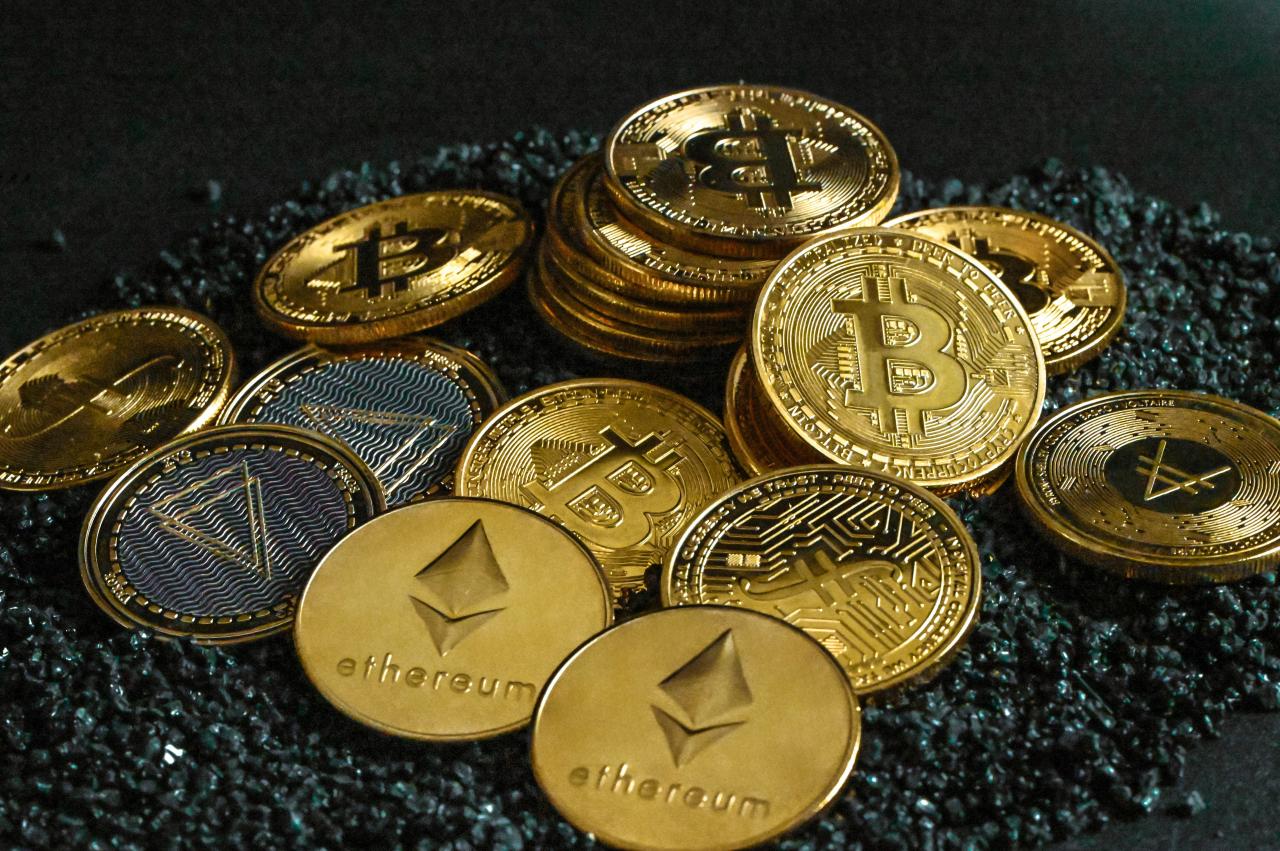
The global financial landscape is currently witnessing a massive structural shift as institutional investors move their capital into the digital asset space. For many years, the cryptocurrency market remained a playground for retail traders and tech enthusiasts who operated on the fringes of traditional finance.
However, the emergence of regulated spot ETFs and institutional-grade custody solutions has changed the game for major banks and hedge funds. We are now seeing traditional giants like pension funds and insurance companies adding Bitcoin and Ethereum to their long-term balance sheets.
This transition signals that digital assets have finally matured into a recognized and legitimate asset class for the world’s most conservative investors. This flood of professional money brings much-needed liquidity and stability to a market that was once famous for its extreme price swings.
We are entering an era where crypto is no longer a speculative bet but a core component of a modern, diversified investment portfolio. This article explores why the “big money” is finally arriving and what it means for the future of your own digital investments.
We will examine the role of new financial products, the impact of clearer regulations, and how institutional participation solves the problem of market maturity.
The Arrival of Regulated Spot ETFs

The approval of spot Bitcoin and Ethereum ETFs marked the official bridge between Wall Street and the blockchain world. These products allow massive funds to gain exposure to crypto without the headache of managing private keys or setting up digital wallets.
I believe that ETFs solve the “custody fear” that kept trillions of dollars on the sidelines for over a decade. You solve the problem of technical barriers by using a familiar brokerage account to buy digital gold just like you buy a tech stock.
This perspective shifts crypto from a “scary tech experiment” to a convenient and regulated financial tool for every professional portfolio manager.
A. Direct Exposure Without Technical Complexity
Institutional investors often face strict internal rules that prevent them from holding unregulated assets directly on their books.
Spot ETFs provide a wrapped, regulated version of the asset that fits perfectly within their existing legal and compliance frameworks. This allows pension fund managers to buy into the crypto narrative with a single click of a button.
B. Increased Liquidity and Reduced Slippage
The high trading volume generated by these ETFs makes it much easier for large players to enter and exit positions without moving the price too much.
This “market depth” is essential for institutions that need to move hundreds of millions of dollars at once. It creates a more efficient market where price discovery happens based on real global demand rather than small retail panics.
C. Standardization of Market Data and Pricing
ETFs rely on regulated price benchmarks, which provide a unified and trustworthy “fair value” for the entire industry to follow.
This stops the confusion caused by different prices on different global exchanges and gives investors more confidence in their valuations. It also makes it easier for auditors and regulators to track the flow of money in and out of the digital ecosystem.
Professional Custody and Security Infrastructure
Large institutions cannot store their digital assets on a simple USB stick or a basic mobile app like a retail trader might. They require “qualified custodians” who offer multi-signature security, insurance coverage, and 24/7 physical protection for their private keys.
My new perspective is that “enterprise-grade security” is the real backbone of this institutional wave, not just the price of the coin itself.
You solve the risk of hacking by utilizing deep cold storage solutions that are guarded by the same banks that handle the world’s gold reserves. This perspective removes the “security anxiety” that once prevented high-net-worth individuals from committing significant portions of their wealth to crypto.
A. Cold Storage and Air-Gapped Security
Professional custodians keep the vast majority of their assets in offline vaults that are never connected to the internet.
This makes it virtually impossible for remote hackers to steal the funds, providing a level of safety that rivals the most secure banks. This infrastructure is what finally gave insurance companies the confidence to offer policies covering digital asset theft.
B. Multi-Party Computation (MPC) Technology
Instead of a single key that can be lost or stolen, MPC breaks the private key into several pieces distributed across multiple secure locations.
No single person can authorize a transaction, which prevents internal fraud and ensures that the institution always maintains total control. This “distributed trust” model is now the gold standard for every major financial firm entering the blockchain space.
C. Insurance and Indemnification Policies
Institutions now have access to comprehensive insurance products that protect them against physical theft or catastrophic technical failure.
This layer of protection is mandatory for many regulated funds and was completely unavailable during the early years of the crypto market. It turns the “volatile risk” of crypto into a “managed risk” that fits into a standard corporate risk model.
Crypto as a Hedge Against Global Inflation
As central banks around the world continue to print more money, many institutions are looking for assets with a fixed and unchangeable supply. Bitcoin’s hard cap of 21 million coins makes it an attractive “digital hedge” against the devaluation of traditional fiat currencies like the dollar or the euro.
I suggest that “scarcity-driven investing” is the primary reason why corporate treasuries are now swapping their cash for digital assets.
You solve the problem of eroding purchasing power by holding an asset that cannot be manipulated by any government or central bank. This perspective positions crypto as the ultimate insurance policy for a world where traditional money is becoming less predictable every year.
A. Verifiable Scarcity and Programmatic Issuance
Unlike gold, which we can always mine more of if the price goes up, the supply of Bitcoin is fixed by code and visible to everyone.
This absolute scarcity gives investors a level of certainty that no other asset class in human history can provide. It acts as a transparent “monetary anchor” in a sea of fluctuating and inflationary paper currencies.
B. Low Correlation with Traditional Markets
While not always perfectly decoupled, crypto often moves independently of the bond market or the real estate sector. This makes it a powerful tool for “portfolio diversification,” helping to reduce the overall volatility of a large investment fund.
When the stock market crashes, having a portion of assets in the digital space can provide a much-needed safety cushion for the investor.
C. Global Portability and Borderless Value
Institutions appreciate that they can move billions of dollars worth of value across the globe in minutes without waiting for bank wires.
This “digital mobility” is a massive advantage for global firms that need to reallocate capital quickly between different regions. It represents the first truly global and 24/7 financial system that operates outside of local geopolitical conflicts.
The Shift Toward Tokenized Real-World Assets (RWA)
Institutional interest is moving beyond just buying Bitcoin; many firms are now looking at “tokenizing” traditional assets like bonds, real estate, and private equity. This process involves putting a digital representation of a physical asset onto a blockchain to make it easier to trade and manage.
My perspective is that “everything will be tokenized” within the next decade, turning the entire global economy into a 24/7 digital market.
You solve the problem of illiquid assets by allowing a building or a piece of art to be traded in small, digital fractions instantly. This perspective creates a more inclusive financial world where even small investors can own a piece of high-value institutional assets.
A. Fractional Ownership of High-Value Assets
Tokenization allows a hundred-million-dollar office building to be split into millions of small tokens. This makes it possible for smaller funds to participate in deals that were previously reserved for the world’s largest investment banks.
It increases the pool of potential buyers and brings much more liquidity to the traditional real estate market.
B. Automated Compliance and Smart Contracts
Legal rules and dividend payments can be programmed directly into the token itself using smart contracts. This means the asset “manages itself,” automatically ensuring that only verified investors can buy the tokens and that taxes are paid correctly.
It reduces the administrative cost of managing a large fund by removing the need for manual paperwork and human auditors.
C. 24/7 Secondary Market Trading
Traditional private equity and real estate are often locked up for years, but tokenized versions can be traded at any time on a digital exchange.
This gives institutional investors the “exit liquidity” they need to manage their portfolios more dynamically and react to changing market conditions. It transforms “stagnant” assets into “active” capital that can be put to work more effectively.
Regulatory Clarity and Legal Frameworks
The biggest hurdle for institutional money has always been the lack of a clear legal “rulebook” for digital assets in many countries. However, major jurisdictions are now passing comprehensive laws that define exactly how crypto should be handled, taxed, and reported.
I believe that “sensible regulation” is actually the best thing that ever happened to the crypto market. You solve the fear of government crackdowns by operating within a clear framework that protects both the investor and the broader economy.
This perspective allows the “smart money” to move forward with confidence, knowing that the rules won’t change overnight.
A. Clear Classification of Digital Assets
New laws are finally distinguishing between “commodities,” “securities,” and “utility tokens,” which tells investors exactly which rules they need to follow.
This removes the legal “gray area” that once kept conservative legal teams from approving crypto investments for their clients. It allows for more specialized financial products that target specific types of institutional needs.
B. Consumer Protection and Anti-Money Laundering (AML)
Regulated exchanges now follow the same strict rules as traditional stock markets to prevent fraud and illegal activities.
This “cleaning up” of the industry makes it a much safer place for large-scale capital and reduces the risk of market manipulation. It builds a foundation of trust that is essential for the long-term survival and growth of the digital asset ecosystem.
C. Tax Reporting and Institutional Accounting Standards
Accounting boards are now providing clear guidelines on how companies should report their crypto holdings on their yearly financial statements.
This makes it much easier for public companies to hold Bitcoin without confusing their shareholders or facing unexpected tax bills. Clear math leads to more adoption by the CFOs of the world’s largest and most successful corporations.
The Role of Decentralized Finance (DeFi) in Institutional Lending
While retail users use DeFi for small loans and yield farming, institutions are starting to use “permissioned” DeFi platforms for large-scale lending. These are private versions of blockchain protocols that only allow verified and vetted participants to join the network.
My new perspective is that “blockchain-based banking” will eventually replace the slow and manual back-office systems of today’s banks.
You solve the problem of counterparty risk by using code and collateral to guarantee that every loan is paid back on time. This perspective creates a more transparent and efficient global credit market that operates without the need for traditional middlemen.
A. On-Chain Transparency and Real-Time Auditing
In the traditional world, it is hard to know if a bank is actually as healthy as it says it is until a crisis happens. On a blockchain, every loan and every piece of collateral is visible to everyone in real-time. This “radical transparency” prevents the kind of hidden risks that led to the global financial crisis in the past.
B. Automated Liquidations and Risk Management
If the value of a borrower’s collateral drops too low, the smart contract automatically sells it to pay back the lender. This happens instantly and without the need for a court order or a lengthy legal battle. It protects the lender’s capital and ensures that the overall system remains healthy and solvent even during a market crash.
C. Global Yield Opportunities in a Low-Rate World
DeFi allows institutions to find the best interest rates across the entire globe rather than being limited to their local bank.
This “global hunt for yield” brings more capital into the crypto space and helps fund new and innovative projects everywhere. It turns the entire world into a single, unified market for credit and investment capital.
Conclusion

Institutional investment is now the primary driver of the global cryptocurrency market. You must recognize that the era of retail-only crypto is officially over today. Professional money brings a level of stability and trust we have never seen.
Regulated ETFs provide a safe and easy path for billions of new dollars. Scarcity makes digital assets a powerful shield against the rising cost of living. Institutional-grade security ensures that your assets are protected by the best technology.
Tokenization will eventually turn every physical asset into a liquid digital token. Clearer government rules are making it safe for the world’s largest funds. Blockchain is transforming the way banks lend and manage their daily money.
The “big money” is here to stay and will grow in the years ahead. Investing in digital assets is now a standard part of a smart portfolio. The technology of the blockchain is solving the oldest problems in global finance. Stay informed about these institutional trends to make the best personal choices.
The journey to a digital financial world is happening right now before our eyes. Take a moment to see how professional capital is changing your digital future. The partnership between Wall Street and blockchain is just beginning its long journey.

