


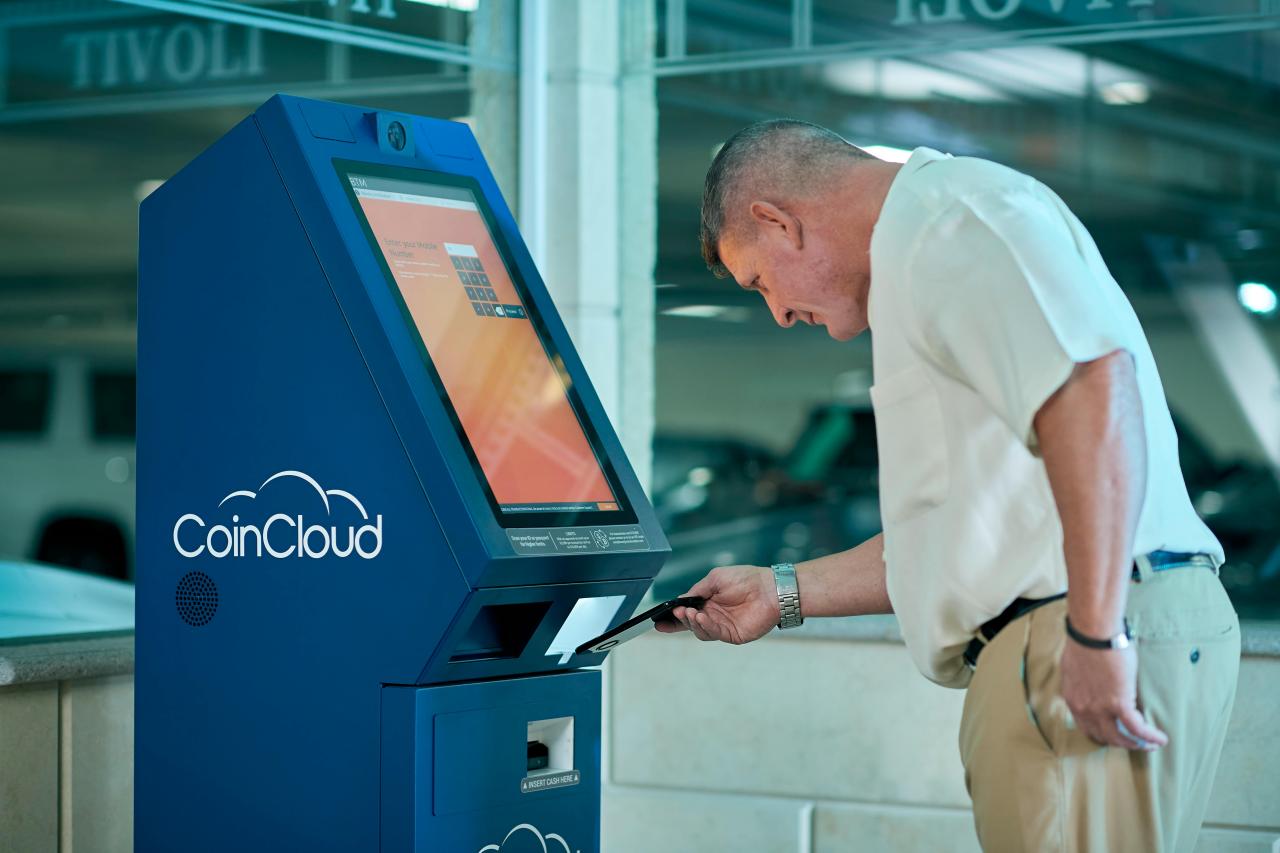
The financial world is undergoing its most significant transformation since the invention of paper money with the rise of Central Bank Digital Currencies (CBDCs). For decades, we have relied on a mix of physical cash and digital entries in private bank ledgers to manage our daily transactions.
However, central banks around the globe are now developing their own official digital versions of national currencies to keep pace with the modern digital economy. Unlike cryptocurrencies which are often volatile and decentralized, a CBDC is a stable, government-backed asset that carries the same legal status as traditional cash.
This evolution addresses the growing need for faster, cheaper, and more secure payment systems that can operate 24/7 without delays.
We are moving toward a future where every citizen can have a direct digital relationship with their nation’s central bank, ensuring financial stability and transparency. This shift is not just about technology; it is about redefining how money works in a world where physical coins are becoming increasingly rare.
By creating a digital legal tender, governments aim to modernize the financial infrastructure and provide a safe alternative to private digital assets. This article explores the mechanics of CBDCs, the different types available, and how they will impact your personal wallet and daily life.
Understanding the Core Architecture of Digital Money

At its heart, a CBDC is a digital token or record that represents the virtual form of a country’s fiat currency. It uses a centralized or distributed ledger to track transactions and ensure that no “double-spending” occurs within the network.
I believe that “programmable money” is the real breakthrough here, allowing the government to automate complex financial rules directly within the currency. You solve the problem of slow and expensive bank transfers by using a system that settles payments in real-time across the entire nation.
This perspective helps you see CBDCs as the ultimate upgrade to our aging financial plumbing, making money move as fast as a text message.
A. Token-Based vs. Account-Based Systems
In a token-based system, you prove ownership by providing a digital signature or “private key,” much like physical cash.
An account-based system requires you to verify your identity to access a specific balance held at the central bank. Both methods offer high security, but token-based systems often provide more privacy for small, everyday transactions.
B. The Role of Distributed Ledger Technology (DLT)
Many central banks experiment with blockchain-like ledgers to record transactions in a way that is transparent and hard to hack.
This technology ensures that every digital dollar or euro is authentic and cannot be forged by criminals. It creates a permanent audit trail that helps prevent money laundering while keeping the system running smoothly.
C. Interoperability with Existing Payment Apps
A successful CBDC must work seamlessly with the apps you already use, like digital wallets or online banking portals.
This means you won’t have to learn a completely new system to use the digital version of your national currency. The goal is to create a “frictionless” experience where digital cash moves easily between different platforms and services.
Retail vs. Wholesale CBDC Models Explained
Central banks categorize digital currencies based on who will actually use them in their daily operations. Retail CBDCs are designed for the general public, allowing you to pay for coffee or groceries using a government-backed digital wallet.
Wholesale CBDCs, on the other hand, are for banks and financial institutions to settle large-scale transfers more efficiently. My new perspective is that “financial democratization” starts with the retail model, giving everyone access to a risk-free digital asset.
You solve the problem of bank failures by keeping your primary digital cash directly with the central bank instead of a private institution. This perspective provides a new layer of safety for your hard-earned savings in an unpredictable global economy.
A. Retail CBDC for Everyday Consumers
This model acts as a digital replacement for the physical cash in your physical wallet. It allows you to make instant payments even if you don’t have a traditional bank account at a commercial bank. This is a game-changer for people in remote areas who currently struggle to access basic financial services.
B. Wholesale CBDC for Interbank Settlements
Wholesale models speed up the way banks trade with each other, reducing the time it takes for international transfers to clear.
This lowers the cost of doing business globally, which eventually leads to lower fees for individual consumers like you. It acts as the “high-speed rail” for the world’s most important and largest financial transactions.
C. The Hybrid Model and the Role of Commercial Banks
Most countries prefer a hybrid approach where the central bank issues the money, but private banks still handle the customer service.
This ensures that the financial system doesn’t collapse while still providing the security of a government-backed digital currency. You get the innovation of the private sector combined with the stability of the public sector.
Solving the Problem of Financial Inclusion
One of the biggest motivations for launching a CBDC is to bring millions of “unbanked” people into the formal financial system. In many developing nations, people lack the paperwork or the proximity to a physical bank to manage their money safely.
I suggest that “mobile-first identity” is the secret weapon of the CBDC revolution for global equality. You solve the reader’s problem of complex entry barriers by allowing anyone with a simple smartphone to create a verified digital wallet.
This perspective turns the mobile phone into a powerful tool for economic survival and growth for the world’s poorest populations.
A. Offline Payment Capabilities
A major feature of modern CBDCs is the ability to send money without an active internet connection. This is vital for people living in rural areas with poor network coverage or during natural disasters when the internet goes down.
You can simply tap two phones together to exchange digital cash, just like handing over a physical banknote.
B. Lowering Transaction Fees for Small Businesses
Traditional credit card networks often charge high fees that eat into the small profits of local merchants and street vendors.
A CBDC offers a low-cost or even free alternative for processing digital payments instantly. This keeps more money in the local community and allows small businesses to thrive in an increasingly digital world.
C. Providing a Secure Way to Receive Government Aid
During a crisis, the government can send emergency funds directly to your CBDC wallet without waiting for checks to arrive in the mail.
This ensures that aid reaches the people who need it most within seconds of the decision being made. It eliminates the “middleman” and ensures that every cent of the aid goes exactly where it is supposed to go.
Privacy Concerns and the Fight Against Surveillance
A common fear regarding CBDCs is that the government will track every single purchase you make, from your morning latte to your monthly rent. While digital currencies do create a record, central banks are designing “privacy-preserving” features to protect your personal data.
My perspective is that “controlled anonymity” is the only way to make digital cash acceptable to the general public. You solve the privacy problem by using tiered systems where small transactions stay private, while only large transfers trigger identity checks.
This perspective balances your right to privacy with the government’s need to stop major financial crimes like terrorism or large-scale tax evasion.
A. Anonymity Vouchers for Small Purchases
Some CBDC designs include “vouchers” that allow you to spend a certain amount of digital money every month without any tracking.
This mimics the privacy of physical cash for your daily coffee or newspaper while maintaining security for larger buys. It ensures that your casual spending habits remain your own business and nobody else’s.
B. Encryption and Zero-Knowledge Proofs
Advanced math allows the system to verify that you have enough money for a purchase without revealing your total balance or your name.
This “zero-knowledge” approach provides a high level of privacy even on a shared digital ledger. It keeps your financial life invisible to hackers and unauthorized government employees who don’t have a legal reason to look.
C. Legal Frameworks for Data Protection
Every country launching a CBDC must create strict new laws that limit how the government can use your transaction data.
These laws ensure that your digital footprint cannot be used for political surveillance or unfair social credit systems. Trust is the most important part of any currency, and strong privacy laws are the foundation of that trust.
Impact on the Global Banking System
The introduction of a CBDC will fundamentally change how commercial banks operate and how they earn money from their customers. If people move all their savings to a central bank wallet, private banks might have less money to lend for mortgages or car loans.
I believe that “gradual integration” is the key to preventing a major shock to the global banking infrastructure. You solve the problem of banking instability by putting limits on how much CBDC any one person can hold at a time.
This perspective ensures that private banks stay relevant as providers of credit while the central bank provides the safe digital cash.
A. The Competition for Digital Deposits
Private banks will have to offer better interest rates or better apps to convince you to keep your money with them instead of the central bank.
This competition is actually good for you, as it leads to better services and more innovation in the banking sector. You become a more valuable customer in a world where you have more choices for where to store your wealth.
B. Shifting the Burden of Compliance
While the central bank manages the currency, commercial banks will still handle the “Know Your Customer” (KYC) duties to stop fraud.
This allows the government to focus on financial stability while the private sector focuses on the user experience. It creates a balanced ecosystem where each player does what they do best for the benefit of the economy.
C. New Opportunities for Fintech Startups
A public CBDC platform provides a “level playing field” for new financial technology companies to build amazing new apps.
You will likely see a wave of new tools for budgeting, investing, and saving that work directly with your official digital cash. This will lead to a more vibrant and diverse financial market that serves your specific needs much better.
Smart Contracts and Programmable Money
One of the most exciting parts of CBDCs is the ability to attach “smart contracts” to your digital dollars or euros. This means your money can be programmed to perform certain actions automatically when specific conditions are met in the real world.
My new perspective is that “self-executing finance” is the final step in the evolution of the global digital economy. You solve the problem of complex legal contracts and escrow fees by letting the money handle the rules of the deal itself.
This perspective turns your digital wallet into a smart assistant that manages your financial commitments without any manual effort.
A. Automated Payments for Services
You can program your CBDC to pay your rent only after the smart lock on your apartment confirms you have been given access.
This removes the risk of paying for something you don’t receive and ensures that the seller gets paid instantly. It builds a high level of trust into every transaction you make with a stranger online.
B. Conditional Social Benefits
Governments can program digital aid to be spent only on essential items like food, medicine, or education for your family. This ensures that taxpayer money is used effectively and reaches the intended goals of the social program.
It reduces waste and helps the government track the success of their policies in real-time without invading your privacy.
C. Instant Tax and Fee Collection
Smart contracts can calculate and pay the correct amount of sales tax or import fees the moment a transaction occurs.
This saves businesses hours of paperwork and ensures that the government receives its revenue without any delays or errors. It makes the entire economy more efficient and reduces the burden of tax compliance for everyone involved.
Conclusion

Central Bank Digital Currencies are the future of how we will all use and spend money. You must understand this change to protect your personal and long-term financial health. Digital cash offers a safe and government-backed alternative to the volatile crypto markets.
A CBDC ensures that the digital economy remains stable and accessible to every citizen. You solve the problem of slow banking with a system that works in seconds. Privacy remains a top priority for designers as they build these new digital systems.
Financial inclusion will finally become a reality for millions of unbanked people worldwide. We are moving away from paper toward a much more efficient and smarter currency. Smart contracts will allow your money to manage your daily chores and your bills.
The banking system will evolve to become more competitive and much more user-friendly. Trust is the foundation of this new digital world and its national currencies. Every citizen will soon have a direct link to their nation’s central bank.
Innovation in money is a major step toward a fairer and more global economy. Stay curious and stay informed about how your national currency is changing today. The journey to a digital future starts with understanding how a CBDC works. Take the first step by following the digital currency news from your own central bank.

