


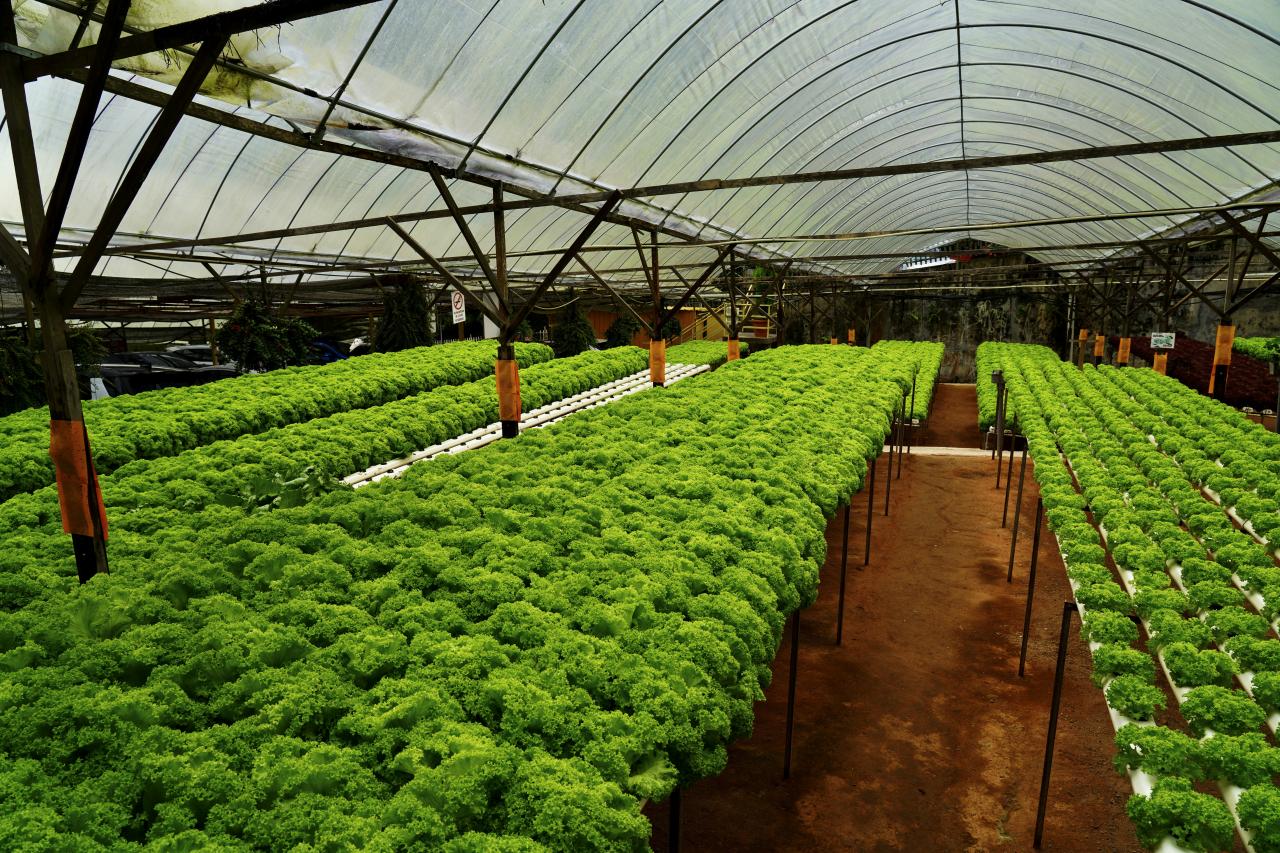
The global food production system currently faces a massive revolution as vertical farming moves from a futuristic concept to a mainstream reality. For decades, traditional agriculture has relied on horizontal land use, which remains vulnerable to unpredictable weather patterns and soil depletion.
Vertical farming offers a controlled environment where crops grow in stacked layers, often within urban skyscrapers or repurposed warehouses. This innovation addresses the critical challenge of feeding a growing global population without destroying more natural forests for farmland.
By utilizing advanced hydroponics and LED lighting, these indoor farms can produce food all year round regardless of the climate outside. We are witnessing a transition where the farm comes to the city, drastically reducing the distance food travels from seed to plate.
This technology provides a unique solution to food security in densely populated areas where fertile land is almost non-existent. This article explores how vertical farming is capturing a massive share of the agricultural market and transforming our diet.
You will discover the engineering behind these towers, the economic benefits, and how this shift affects your daily health and environment.
The Precision Engineering of Indoor Growth

Vertical farming replaces the unpredictability of nature with the absolute precision of digital control and automation systems. Every variable, including light spectrum, humidity, and nutrient delivery, stays within an optimal range for the specific plant species.
I believe that “software-defined agriculture” is the only way to ensure consistent food quality in a rapidly changing world. You solve the problem of seasonal crop failure by creating a permanent spring environment inside a closed and protected building.
This perspective helps you see that we are no longer just planting seeds; we are programming life for maximum efficiency.
A. Advanced Hydroponic and Aeroponic Systems
These methods grow plants without any soil by delivering water and minerals directly to the roots. This approach uses up to ninety-five percent less water than traditional soil-based farming because the water is recycled. It allows for faster growth rates and eliminates the need for tilling or heavy machinery in the growing area.
B. Customized LED Light Recipe Optimization
Specialized LED lights provide the exact wavelengths of red and blue light that plants need for photosynthesis.
This removes the reliance on natural sunlight and allows for twenty-four-hour growth cycles if necessary for faster harvests. Modern lights produce very little heat, which prevents the plants from drying out or burning in the tight layers.
C. Closed-Loop Climate Control and CO2 Enrichment
Sensors monitor the air quality and temperature to maintain a perfect “Goldilocks zone” for every single tray of greens.
Farmers can increase carbon dioxide levels within the sealed environment to accelerate the growth of the leaves and stems. This creates a hyper-productive space that can outproduce an outdoor farm of the same size by ten times.
Eliminating the Need for Chemical Pesticides
In a traditional outdoor field, farmers must use heavy pesticides to protect their crops from hungry insects and local diseases. These chemicals often end up in our bodies and contaminate the groundwater near the agricultural zones.
My new perspective is that a “clean room” for plants is the ultimate health benefit for the modern consumer. You solve the reader’s fear of toxic chemicals by growing food in a sterile environment where bugs cannot enter. This allows the produce to be truly organic and safe to eat right off the vertical shelf.
A. Sterile Environments and Biosecurity Protocols
Vertical farms operate like laboratories where workers wear protective gear to prevent the introduction of outside pathogens. This eliminates the risk of E. coli or Salmonella outbreaks that often plague traditional leafy green production. You get a product that is cleaner than anything grown in the dirt under the open sky.
B. Natural Pest Management Without Toxins
If a pest does manage to enter, farmers use biological controls like ladybugs instead of spraying harmful poisons. The controlled nature of the space makes it easy to isolate any issues before they spread to the rest of the crop. This precision keeps the food pure and maintains the nutritional integrity of every single leaf harvested.
C. Enhanced Nutritional Density through Control
By fine-tuning the nutrients, scientists can actually increase the vitamins and minerals found in the vegetables.
You can grow kale that is more nutritious or strawberries that are naturally sweeter without any genetic modification. This technology turns food into a form of personalized medicine that supports your long-term health goals.
Solving the “Food Mile” and Logistics Problem
The average piece of produce travels over a thousand miles before it reaches your local grocery store shelf in the city. This long journey leads to significant spoilage, a high carbon footprint, and a loss of flavor and nutritional value.
I suggest that the most important innovation in vertical farming is its proximity to the final consumer in the urban center.
This perspective solves the problem of “limp lettuce” and expensive shipping costs by harvesting food just minutes away from your home. This localized approach builds a resilient food system that is not affected by global shipping disruptions.
A. Urban Repurposing of Vacant Industrial Space
Old factories and empty office buildings are being converted into productive food hubs right in the heart of cities. This brings jobs to local communities and breathes new life into neglected urban neighborhoods. It turns “dead space” into a vital source of life-sustaining nutrition for the people living nearby.
B. Hyper-Local Delivery and Freshness Guarantee
Vertical farms can deliver their harvest to local restaurants and stores within hours of cutting the plants. This means the food stays fresh in your fridge for much longer, which reduces the amount of food waste in your home. Freshness is not just about taste; it is about keeping the vital enzymes and vitamins active for your body.
C. Resilience Against Global Supply Chain Shocks
When fuel prices rise or borders close, a city with its own vertical farms remains fully fed and secure. This independence is a form of national security that protects the population from external economic pressures. Vertical farming allows every city to become a self-sufficient island of food production regardless of its location.
Economic Viability and Market Expansion
While early vertical farms were expensive to build, the cost of the underlying technology is dropping at an incredible rate. Automation and AI are now handling the labor-intensive tasks that used to make indoor farming a high-cost endeavor.
My perspective is that we are reaching a “price parity” point where vertical greens can compete with traditional farm prices.
You solve the problem of “luxury pricing” by scaling up the production and reducing the energy requirements through better engineering. This technology is no longer just for high-end restaurants; it is coming to your local discount supermarket.
A. Robotic Harvesting and Planting Systems
Automated arms and conveyor belts move the plants through their life cycle without the need for constant human touch.
This reduces labor costs and ensures that the plants are handled with extreme care and consistency. Robotics also allows the farms to operate in the dark, further saving on energy and infrastructure costs.
B. AI-Driven Yield Prediction and Management
Machine learning algorithms analyze millions of data points to predict the exact day a crop will be ready for sale. This prevents overproduction and ensures that every plant grown has a buyer waiting for it in the market. Efficient data management turns a farm into a high-performance business with very little waste or loss.
C. Energy Integration with Renewable Grids
Modern vertical farms often use solar panels or wind energy to power their intensive LED lighting systems. By using green energy, these farms become truly sustainable and protected from the rising costs of fossil fuels. Some farms even provide heat back to the city buildings, creating a circular energy economy.
Diversifying the Indoor Crop Menu
For a long time, vertical farming was limited to leafy greens like lettuce, spinach, and aromatic herbs like basil. However, new research is expanding the list of what we can grow indoors to include berries, root vegetables, and even dwarf fruit trees.
I believe that the “crop diversity” of vertical farms will explode in the next few years as we master new light recipes.
This perspective solves the reader’s boredom by providing a wide variety of high-quality produce all year round. We are moving toward a future where an entire grocery store produce section could come from a single city building.
A. The Rise of Indoor Berry Production
Strawberries and blueberries are now being grown vertically with incredible success and much higher sugar content. Pollination is handled by resident bees that live inside the farm and work throughout the year. These berries are often larger and more flavorful than their outdoor cousins because they never face a bad day.
B. Root Vegetables and Underground Innovation
New designs are allowing for the growth of radishes, carrots, and even small potatoes in specialized vertical chambers.
This requires more complex nutrient delivery systems but offers a massive expansion of the indoor food market. Root vegetables grown indoors are perfectly shaped and free from the pests that often live in natural soil.
C. Microgreens and Superfoods for Health
Vertical farms are perfect for growing tiny, nutrient-dense microgreens that are packed with concentrated flavor and vitamins. These “superfoods” can be grown in just a few days, providing a high-speed source of revenue and health. They are becoming a staple in modern kitchens for their beauty and their incredible health benefits.
Environmental Restoration and Land Savings
By moving agriculture indoors, we give the natural world a chance to heal and return to its original wild state. Traditional farming is the leading cause of habitat loss and the decline of many endangered animal species worldwide.
My new perspective is that vertical farming is the best “land conservation” strategy we have ever invented as humans. You solve the problem of environmental destruction by shrinking our agricultural footprint by ninety percent. This allows us to reforest the planet and restore the natural cycles that keep our climate stable.
A. Reforestation of Abandoned Farmland
As vertical farms take over the production of vegetables, millions of acres of low-yield farmland can be returned to nature. This creates new carbon sinks that help absorb CO2 from the atmosphere and fight global warming. It also provides more space for wildlife to move and thrive without human interference.
B. Protecting Biodiversity and Pollinators
Reducing our reliance on outdoor pesticides helps save the global bee and butterfly populations that are currently in danger. These insects are vital for the health of the entire planet, not just for the food we eat as humans. A world with vertical farming is a world where nature has the space it needs to breathe again.
C. Reducing the Carbon Footprint of Water Use
Pumping water across hundreds of miles of dry land is a massive waste of energy and a burden on the environment. Vertical farms use local city water and recycle it, which significantly reduces the energy needed for irrigation. This efficient water use is critical for cities in arid regions that are facing a future of water scarcity.
The Future of Personalized Urban Nutrition
In the near future, vertical farms will be able to customize the food they grow based on the specific health needs of a neighborhood. Imagine a farm that grows extra iron-rich spinach for a community with high rates of anemia or low-sugar fruits for diabetics.
I suggest that “bespoke nutrition” will be the next big trend in the vertical farming market share. This perspective solves the problem of a “one size fits all” diet that doesn’t work for everyone’s unique body. Your local city farm will become a partner in your health journey, providing exactly what you need to thrive.
A. Community-Specific Crop Selection
Farms can adjust their planting schedule based on the cultural preferences and dietary needs of the local residents. This creates a stronger connection between the people and the food they eat every day in their own community. It ensures that the food grown is relevant, desired, and consumed rather than wasted.
B. Subscription-Based “Farm to Fork” Models
Consumers can subscribe to a weekly box of greens that are harvested specifically for them on the day of delivery. This “direct to consumer” model removes the middleman and ensures the highest possible value for both the farmer and the buyer. It creates a stable income for the farm and a stable source of nutrition for the family.
C. Educational Integration for Local Schools
Vertical farms in cities serve as living classrooms where children can learn about biology, tech, and sustainability. Understanding where food comes from helps children develop a healthier relationship with their diet from a young age. It inspires the next generation of “agri-tech” engineers who will continue to innovate the field.
Conclusion

Vertical farming is a transformative force that is here to stay for the long term. You must embrace this change to support a more sustainable and healthy global food system. Land is a limited resource that we must protect for the health of our planet.
Vertical towers allow us to grow more food with much less waste and zero chemicals. Freshness and flavor reach a new level when the farm is located in your city. Technology solves the problem of seasonal hunger and the high cost of food transport.
Choosing indoor-grown produce is a direct vote for a cleaner and greener world today. The market share of vertical farms will continue to grow as technology becomes more affordable. Every city deserves a local source of fresh and nutritious greens all year round.
We can finally feed the world without destroying the beautiful forests that remain for us. Innovation in agriculture is the key to our survival in a crowded urban future. The future of food is vertical, digital, and incredibly close to your own home.
Support your local urban farmers to help build a resilient and healthy community for all. Take a moment to look for vertically grown products at your local supermarket this week. Your body and the planet will thank you for making this smart and green choice. The journey to a better food system starts with the very next meal you choose.

